Nova Build
1 / 5
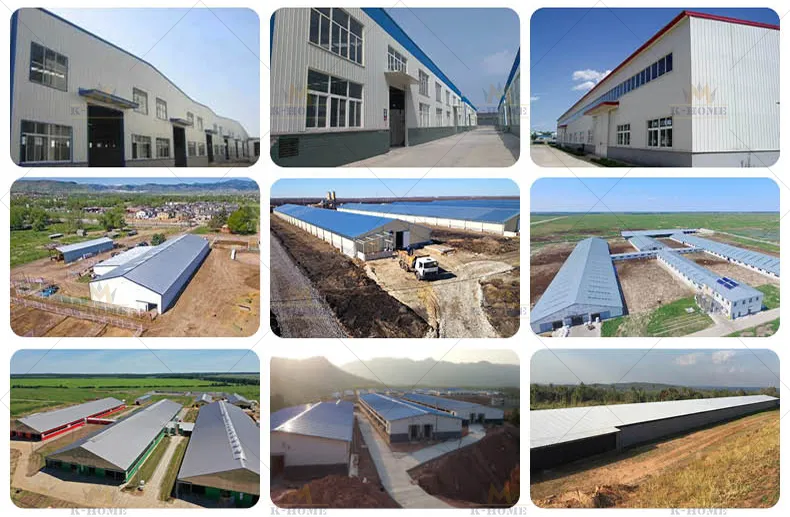
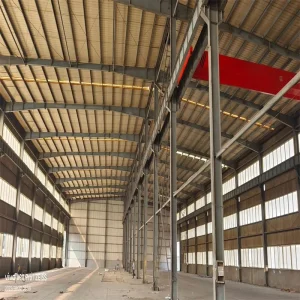
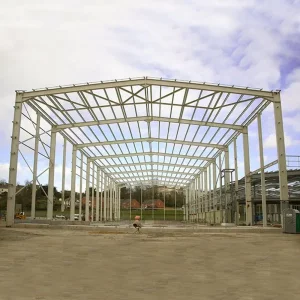
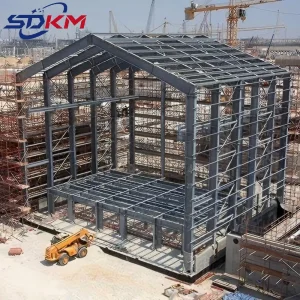
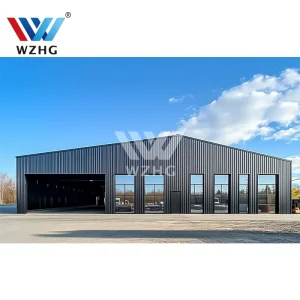
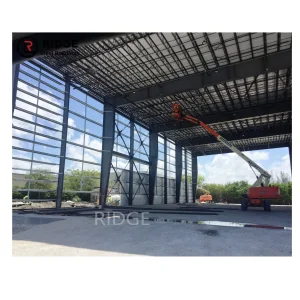
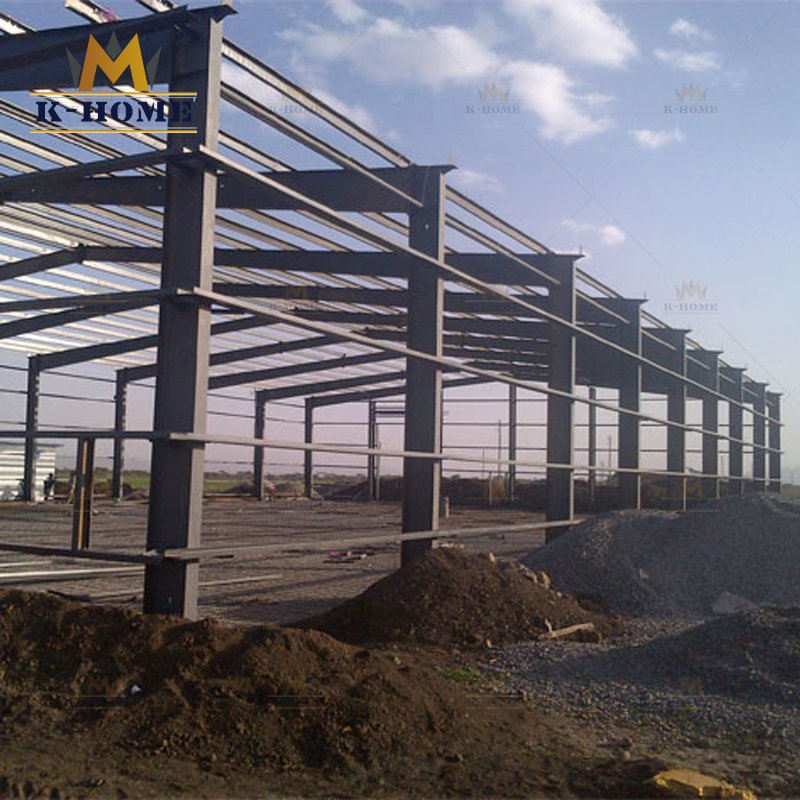
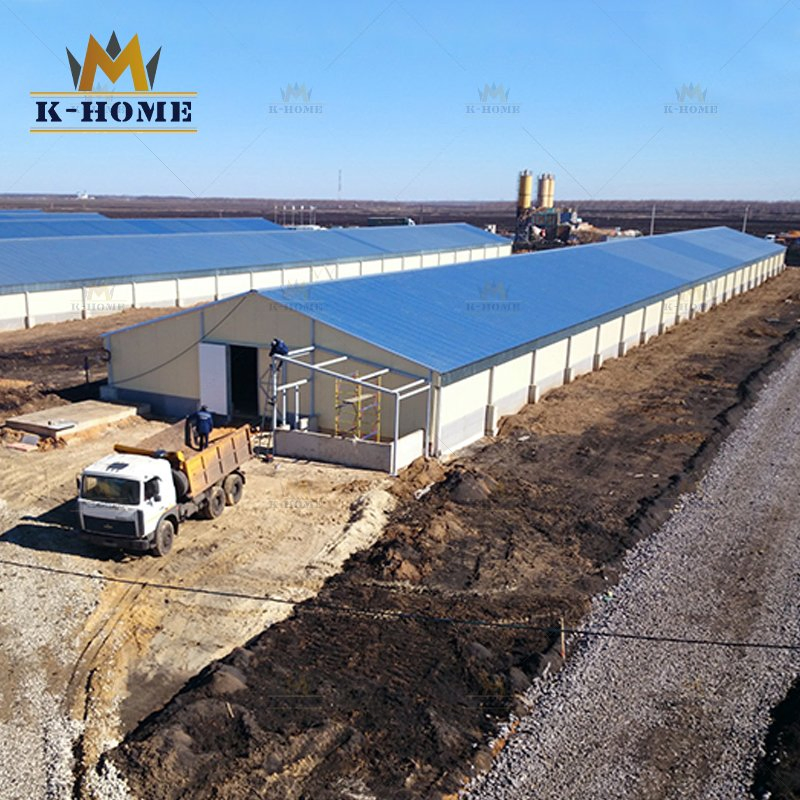
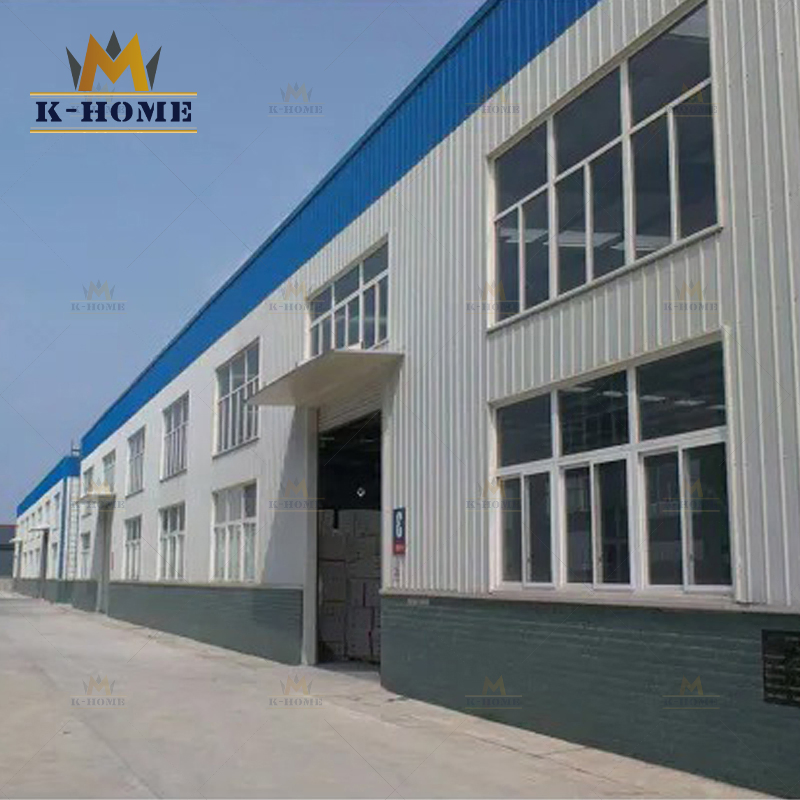
A prefabricated industrial factory warehouse is a modern heavy steel structure building, widely used in storage, production lines, workspaces, and living accommodation. It offers an excellent life span, strong wind resistance, and can withstand extreme weather situations.
We customize a complete set of Pre Engineered Steel Structure Warehouse solutions for customers according to the site conditions and requirements provided.
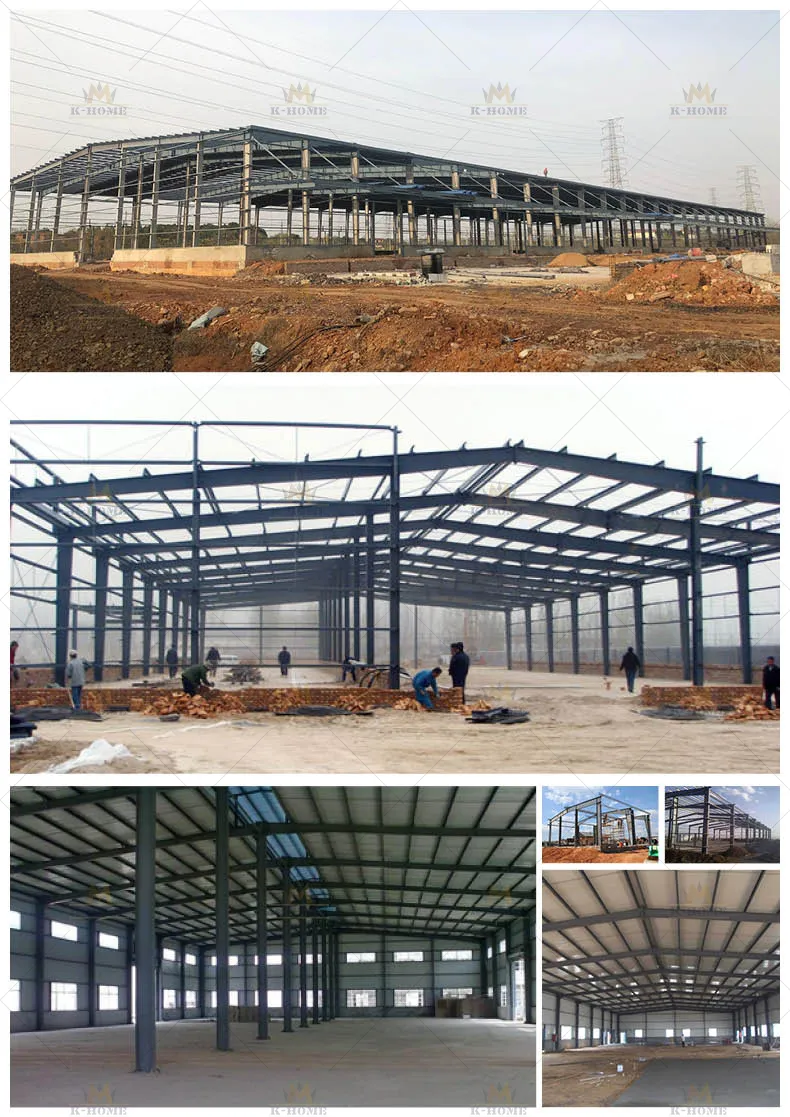
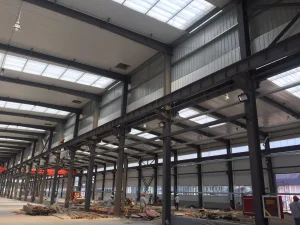
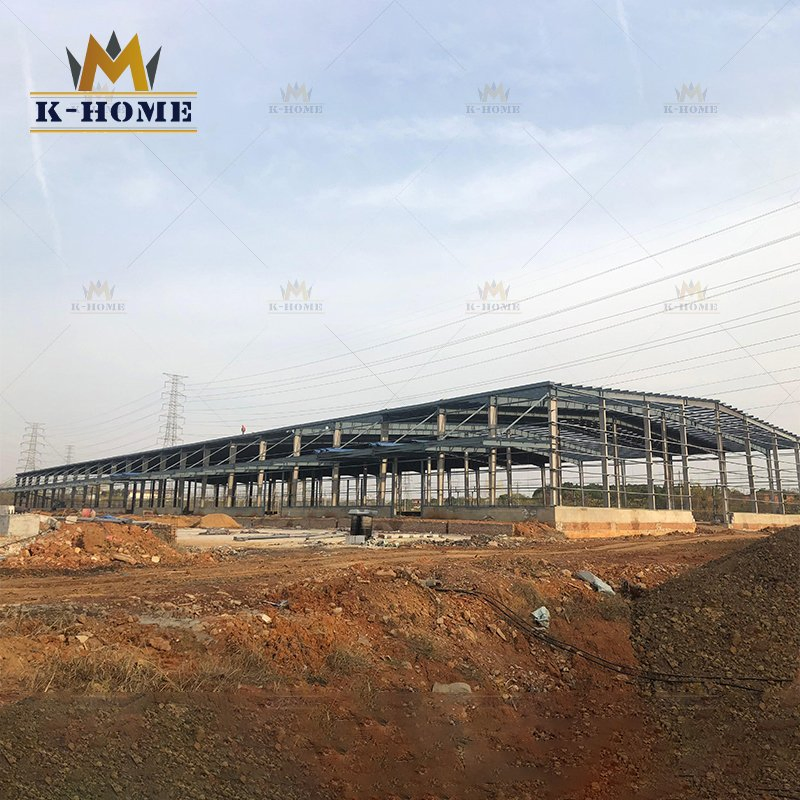
An Auto Parts Company requested a large production facility. With the expansion of the business route and the increase in the number of molds, the original production workshop could no longer meet the demand.
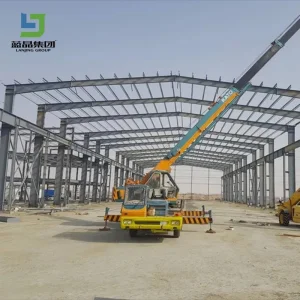
A 7648m² prefabricated steel structure production workshop and installation guide service contract was finalized for a completion period of 15 days.
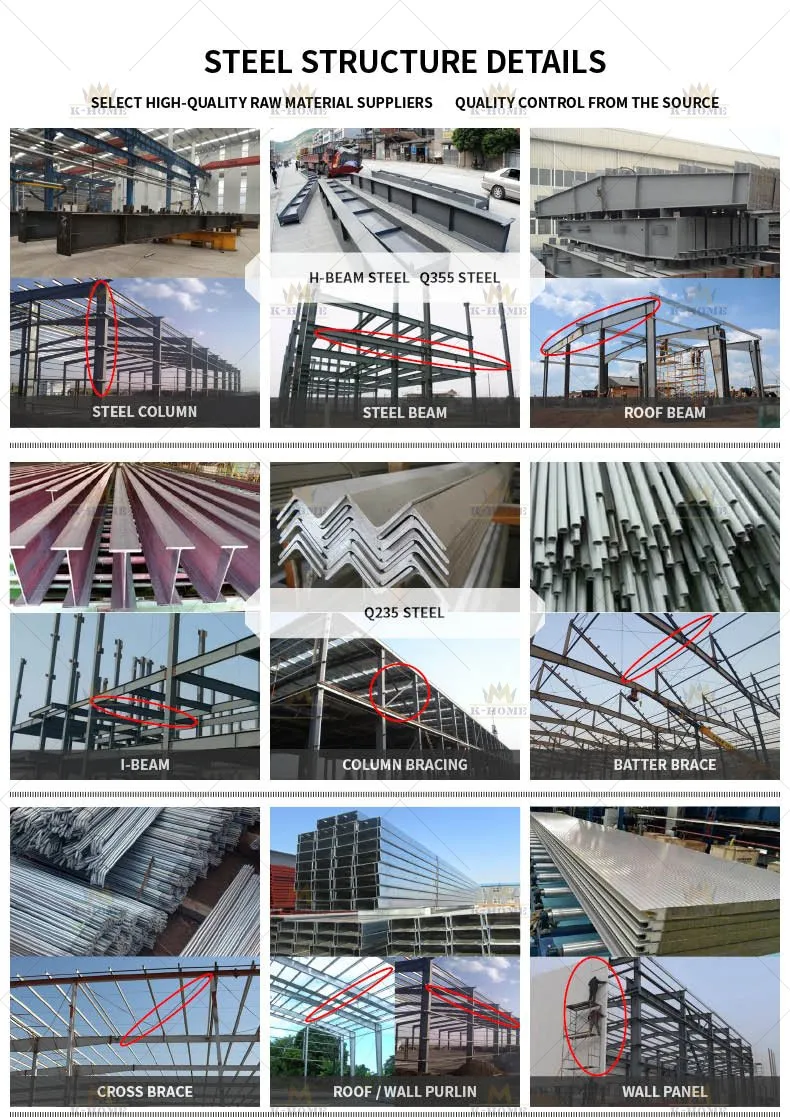
The workshop building adopts Q355B welded H-type steel, Q355B steel square tube, Q235B C-type steel, and Q235B Z-type steel to combine or build the framework. The roof and wall are color steel sandwich panels.
Q355B is a low-carbon alloy steel. Welded H-section Q355B steel, featuring high strength and stronger buckling resistance performance, can save 10%-15% of material, reduce 30%-40% weight of the structure in buildings, and 15%-20% weight of the structure in bridges compared to hot-rolled H-steel. Compared to hot-rolled H-steel, welded H-section steel has high-accuracy size performance and can be customized. The specification offers a flexible and wide choice to meet diverse demands.
The guide installation service was carried out efficiently. With a time difference of 5 hours, the support team provided detailed installation instructions to the customer's installation team via remote online methods. In the end, the prefab workshop was successfully installed and put into use ahead of schedule.
We work closely with customers and strive to achieve the perfect customization of the prefabricated workshop according to the specific situation to ensure that the solution can accurately meet every requirement. Professional and constructive suggestions help customers get the prefabricated workshop building they ultimately want.
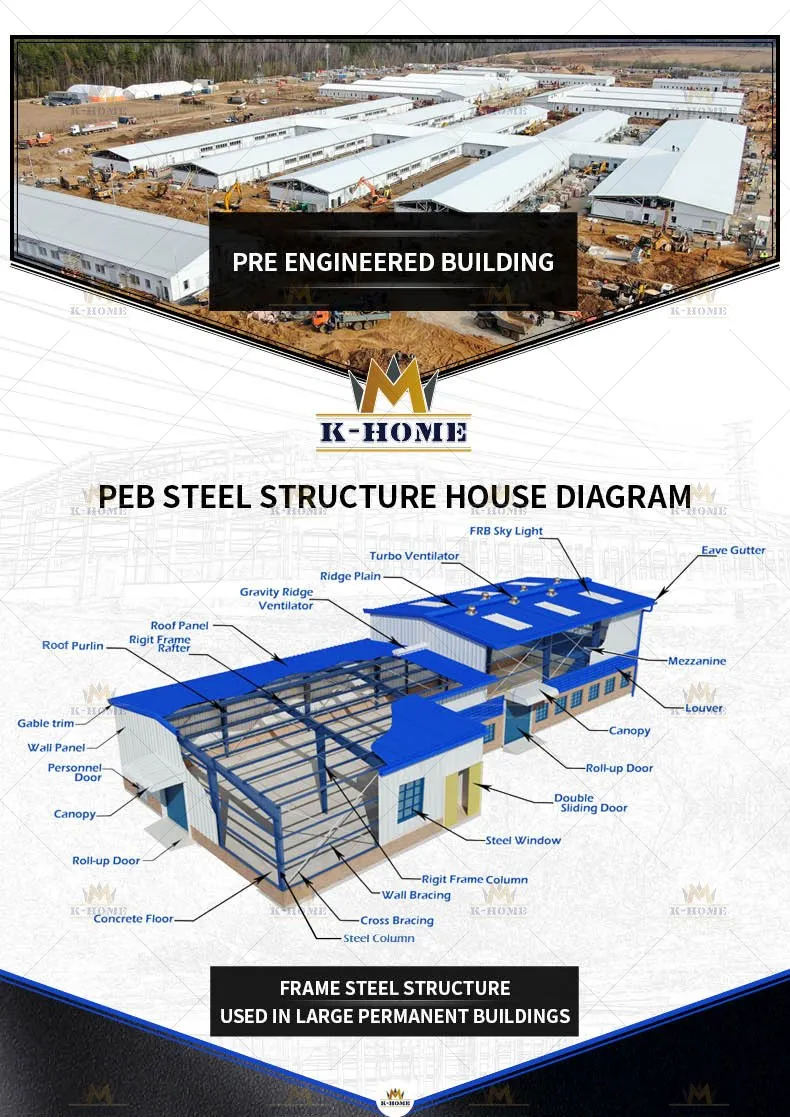
| Main Parts | Item Name | Specification |
|---|---|---|
| Main Steel Frame | Steel Column | Q235B, Q355B H shape, Box, Steel pipe, Hot rolled sheet |
| Steel Beam | Q235B, Q345B H shape, Steel Truss, Hot rolled sheet |
|
| Supporting System | Brace | Q235B, Q355B Steel rod, Steel pipe, Angle steel |
| Roof Purlin | C or Z shape, Steel purlin | |
| Wall Purlin | Q235B, Q346B C or Z shape, Steel purlin |
|
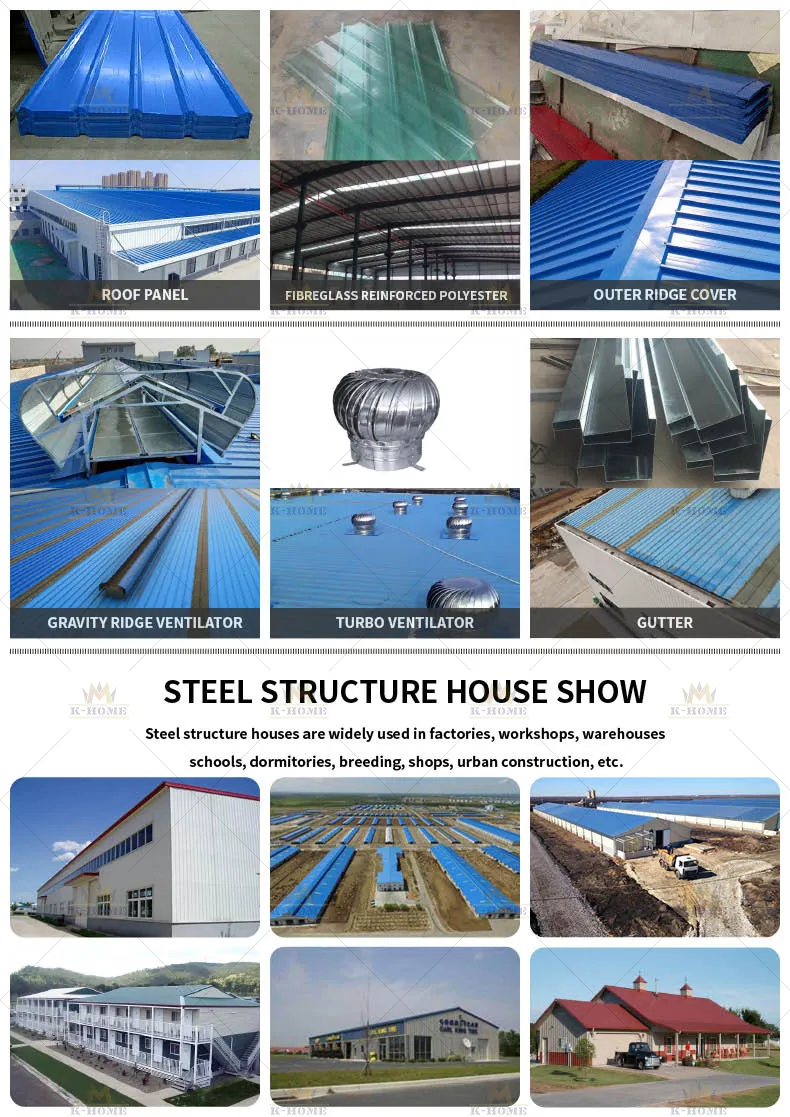
| Roof | Single colorful corrugate steel sheet, Sandwich panel with EPS, Rock wool, PU, Glass wool etc. | |
| Wall | Single colorful corrugate steel sheet, Sandwich panel with EPS, Rock wool, PU, Glass wool etc. | |
| Accessories | Bolts | Ordinary, High strength |
| Gutter | Galvanized Steel plate, Stainless steel | |
| Windows | Aluminum alloy-Glass, Aluminum alloy-shutter, PVC | |
| Doors | Sliding or Rolling door | |
| Downpipes | PVC pipe, Color steel pipe | |
| Edge Cover | Made of color steel sheet thickness 0.5mm | |
| Ventilator | Stainless steel | |
| Crane | Crane in 5 tons to 20 tons |