Engineered to international building standards (AS/NZS, ASTM, CE) with optimized thermal efficiency, high-load capacities, and rapid site installation.
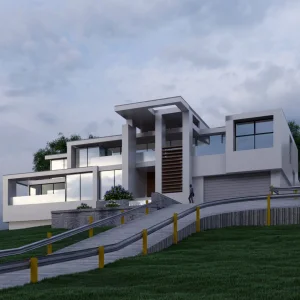
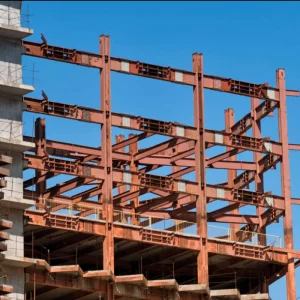
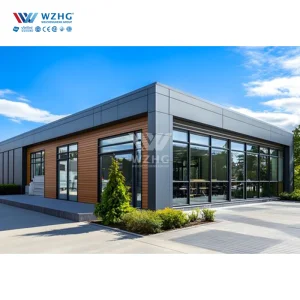
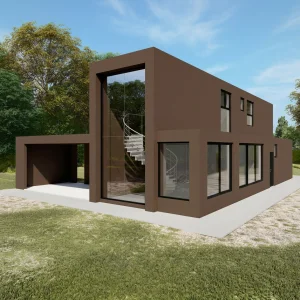
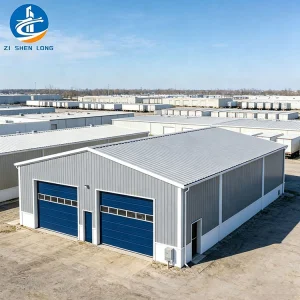
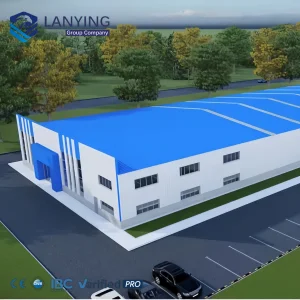
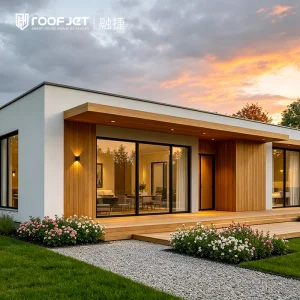
The global construction industry is undergoing a structural paradigm shift. Developers, EPC contractors, and multinational enterprises are moving away from resource-intensive, unpredictable field-built processes toward industrialized, off-site manufacturing solutions. Prefabricated steel buildings sit at the core of this transition, providing unmatched structural reliability, predictability, and material circularity.
As sustainability regulations tighten and urbanization accelerates, the demand for modular and pre-engineered steel buildings (PEBs) continues to surge across commercial, logistical, and residential sectors. Prefabricated structures dramatically reduce project delivery cycles while cutting construction waste by up to 60%, aligning directly with modern corporate environmental stewardship (ESG) objectives.
While traditional concrete structures feature high initial labor overheads and unpredictable schedules, pre-engineered metal buildings yield a 30% reduction in total cost of ownership (TCO) through rapid commissioning, reduced structural self-weight, and simplified foundation requirements.
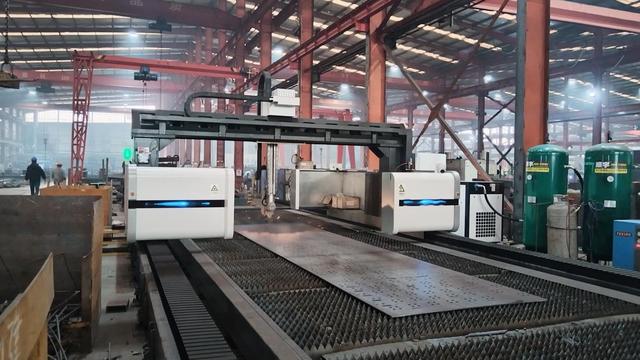
In modern industrial projects, structural durability and local building code compliance are non-negotiable parameters for international procurement teams.
Modern commercial infrastructure demands compliance with global codes such as US ASTM, Australian AS/NZS 1170, and European Eurocodes. High-strength structural steel grades (e.g., Q355B, Q460) ensure structures can withstand wind speeds up to 250 km/h and high-category seismic occurrences.
From sub-zero logistical warehouses to tropical resorts, thermal efficiency is critical. Modern configurations use polyurethane (PU) or rock wool sandwich panels combined with double-glazed, thermally broken structural glass systems to meet low heat-transfer (U-value) targets.
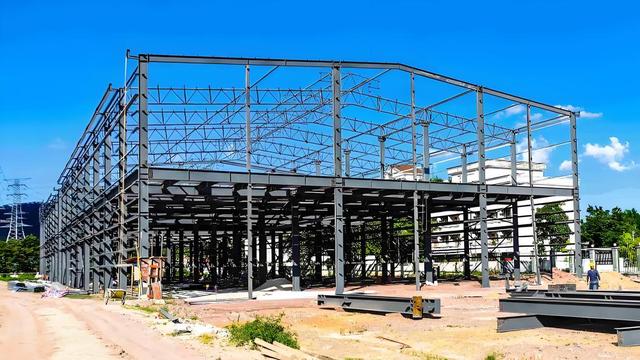
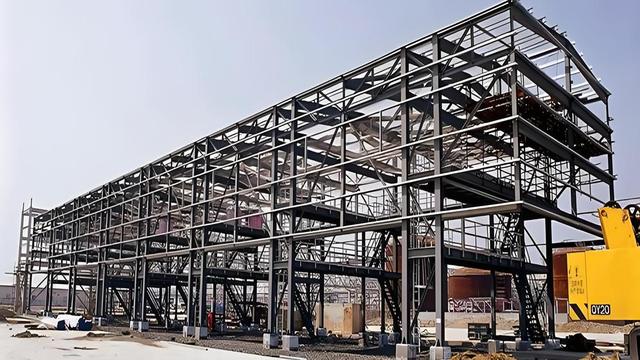
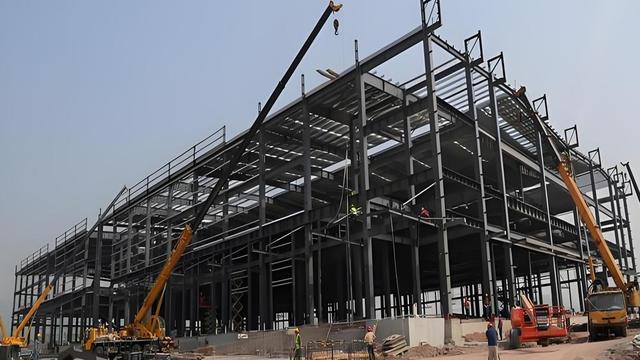
Offsite-engineered components are precision fabricated, marked, and flat-packed for optimized sea container shipping. Modular engineering allows structures to be bolted together directly on-site, requiring minimal specialized field welding and reducing labor costs by up to 50%.
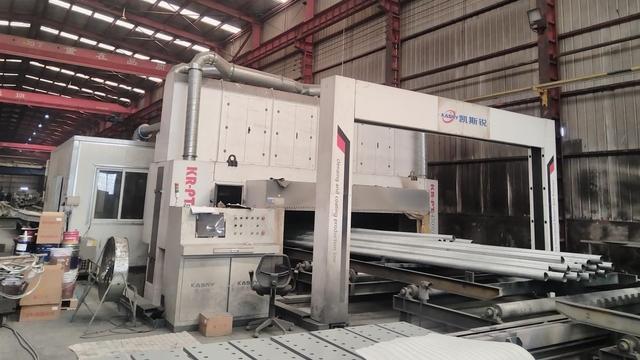
As a leading hub for global industrial manufacturing, China's prefabricated steel sector has integrated sophisticated BIM (Building Information Modeling) pipelines with advanced CNC machinery. This alignment—known as Factory 4.0—guarantees structural component tolerances under 1.5mm, ensuring hassle-free installation on remote project sites.
Foshan Nova Build Co., Ltd. stands at the forefront of this industrial integration. Operating advanced production lines in Guangdong, China, the company provides end-to-end design, structural engineering, manufacturing, and global export services. By maintaining tight integration with regional steel mills and raw materials suppliers, Foshan Nova Build maintains stable supply pricing and predictable timelines, shielding international buyers from shifting global raw-material markets.
Each component undergoes rigorous testing, including ultrasonic weld inspections, wet film thickness measurements for anti-corrosion coatings, and complete test-assembly layouts in the factory prior to packaging and maritime transit.
A direct comparison of engineering performance, financial impact, and project timeline metrics.
| Performance / Resource Metric | Pre-Engineered Steel Buildings (PEB) | Traditional Reinforced Concrete (RC) |
|---|---|---|
| Project Design & Detailing | Rapid BIM design integration (under 2 weeks) | Complex design cycles (often exceeding 2 months) |
| Construction Speed | Rapid bolt-together connection on site (30–45 days) | Extended concrete curing and formwork (120–180 days) |
| Foundation Requirements | Lightweight frames reduce structural foundation loads | Heavy self-weight requires deep, costly pilings |
| Seismic & Wind Performance | High flexibility and energy dissipation capacity | Rigid, high-mass behavior requires heavier reinforcement |
| On-site Waste Generation | Minimal (less than 2% due to offsite prefabrication) | Significant material waste (typically 8–15%) |
| Environmental Sustainability | 100% recyclable, lower lifecycle carbon footprint | High carbon footprint from cement production and transport |
Custom structural design configurations engineered for specific functional applications and localized weather challenges.
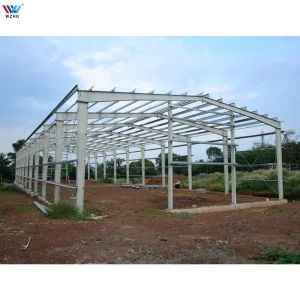
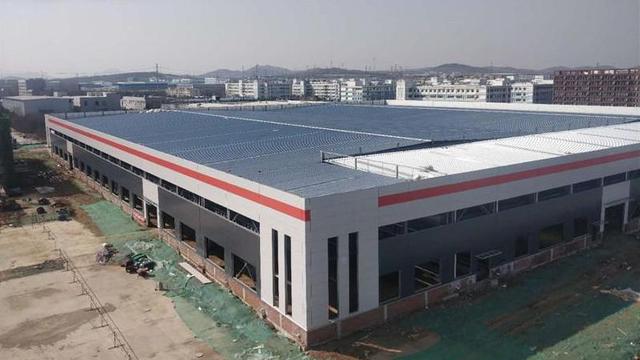
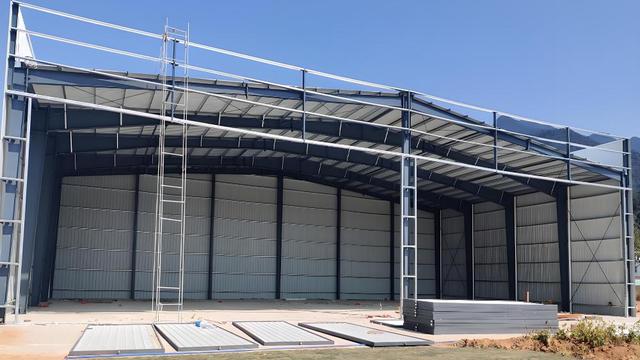
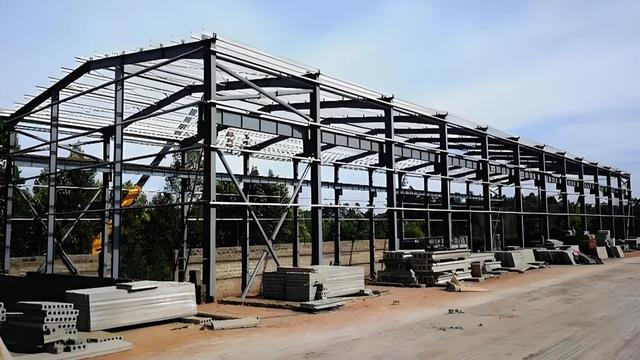
High-clearance design options (up to 12m clear spans) without interior support pillars, optimized for heavy forklifts, overhead cranes, and high-density racking. Designed with strong drainage systems to prevent ponding in heavy rain regions.
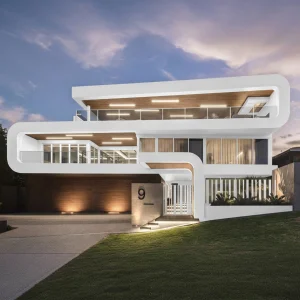
Architecturally sound light-gauge steel (LGS) systems designed for custom high-end resort villas. Compliant with Australian standards (AS 3623), combining structural longevity with premium aesthetics and low maintenance.
Deployable flat-pack modules, site offices, and self-contained mining camps designed to withstand demanding climates in desert and arctic locations, providing quick, reliable setup and relocation.
Expert engineering insights addressing key procurement, design, and shipping inquiries.
We primarily utilize high-strength structural steel conforming to Q355B (equivalent to S355JR or ASTM A572 Grade 50) and Q235B. For rust prevention in corrosive or humid environments, we perform hot-dip galvanization (minimum coating weight of 275 g/m² to 600 g/m² depending on specifications) or apply epoxy zinc-rich primer coatings.
Our engineering division designs structural frames using advanced analysis software like Tekla, PKPM, and SAP2000. We customize calculations to match wind, snow, and seismic loads based on regional standards such as AS/NZS 1170 (Australia), AISC/ASTM (USA), and BS/Eurocodes (Europe).
For mid-scale buildings (1,000–5,000 sqm), the design and manufacturing cycle is 30 to 45 days. Components are categorized, numbered, and flat-packed into standard 40ft Open Top (OT) or High Cube (HQ) shipping containers to maximize space utilization and protect coatings during transport.
Yes. Because the primary structural frame uses high-strength bolted connections instead of field welding, the building can be dismantled, packed, and re-erected at a different location with minimal loss of material integrity, offering excellent asset flexibility.
We provide multiple high-efficiency composite sandwich panel cores, including Polyurethane (PU), Rock Wool (ideal for strict fire ratings), and Glass Wool. Panel thicknesses range from 50mm to 200mm, allowing us to hit precise thermal performance (R-value) targets required by local energy codes.
Our roof profiles feature deep-ribbed designs and overlapping connection details. We integrate generous galvanized steel gutters, high-volume PVC downspouts, and professional waterproofing sealants. For rainy regions, we recommend roof pitches of 10% or higher to ensure immediate runoff.
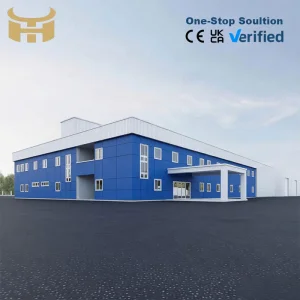
Engineered for high-volume storage, manufacturing workshops, commercial offices, and regional distribution networks.
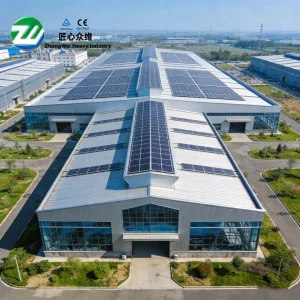
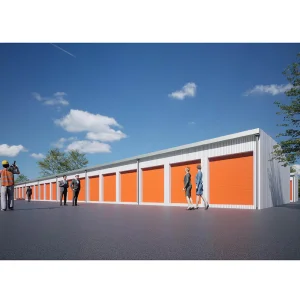
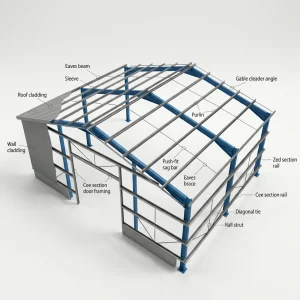
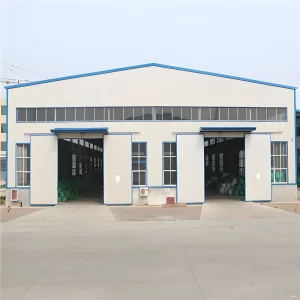
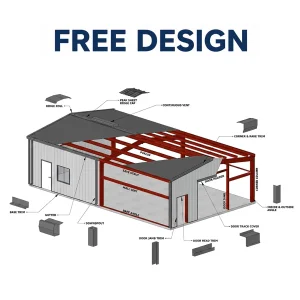
Explore our advanced fabrication processes, high-speed roll forming lines, and precision welding workshops in Foshan.
 Nova Build