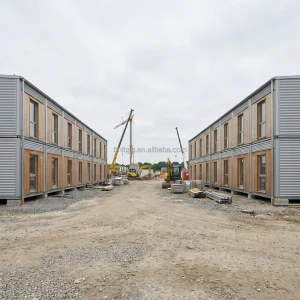
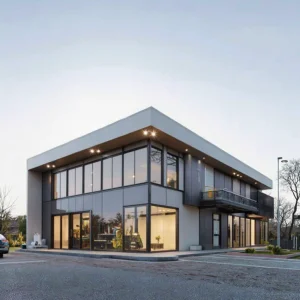
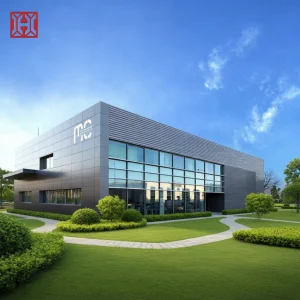
Explore our premium range of multi-story modular structural systems engineered for rapid deployability, seismic resilience, and superior thermal acoustic isolation.
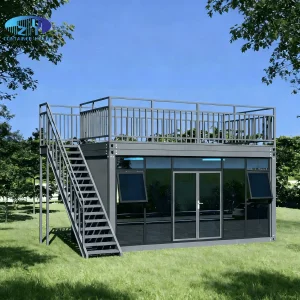
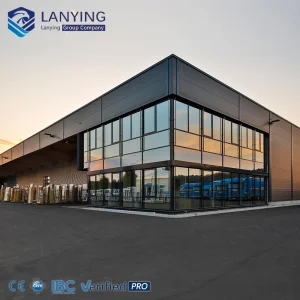
A comprehensive analysis of global development dynamics, engineering innovations, and macroeconomic indicators driving volumetric modular construction.
Modern commercial and residential infrastructure increasingly demands rapid delivery times and minimized localized site disruption. The modular construction sector has transitioned from single-story portable temporary units to complex, multi-story steel-frame architectural structures. This paradigm shift is spearheaded by advanced Design for Manufacture and Assembly (DfMA) methodology combined with Building Information Modeling (BIM) workflows. Engineers can now model and control seismic load transfers, structural diaphragms, and wind loads before fabricating physical modules off-site.
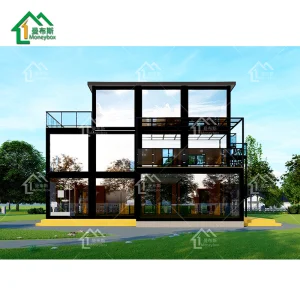
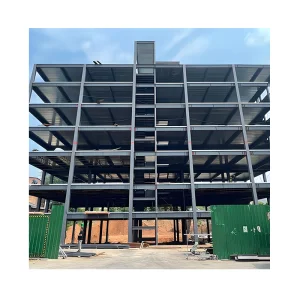
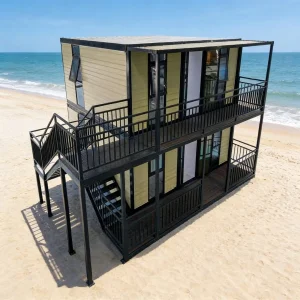
Multi-story modular systems stack independently structured volumetric units. These units utilize high-strength hollow structural section (HSS) columns and integrated light gauge steel (LGS) wall infills. When connected on-site through heavy-duty tie-down tension rods and shear keys, the assembly functions as a monolithic load-bearing core. This system matches or exceeds the engineering performance of traditional cast-in-place concrete structures.
"Volumetric off-site manufacturing shifts up to 85% of standard labor hours to a controlled factory setting, mitigating risks associated with weather conditions and local skilled-labor shortages."
Our structures handle seismic loads and heavy wind pressures. We optimize them using structural steel framework designed according to ASCE 7 and Eurocode standards.
Parallel manufacturing tracks (foundation work on-site during unit fabrication in-factory) compress overall project durations by 30% to 50%, accelerating revenue generation.
How advanced production technology and supply integration drive the efficiency of Foshan Nova Build Co., Ltd.
Foshan Nova Build Co., Ltd. sits at the center of Southern China's key steel fabrication and industrial manufacturing hub. By utilizing China Factory 4.0 automation standards, we integrate raw steel sourcing, precision plasma cutting, robotic welding lines, and automated anti-corrosion coating processes into one digital system. This vertical integration keeps material waste low and ensures precise dimensional tolerances of ±1mm across large structural frames.
Global supply chains require adaptability. Our factory handles the entire project lifecycle, from CAD modeling and structural design to packaging, customs clearance, and logistics coordination. By using pre-engineered, modular sub-assemblies, we maximize container space during shipping, which reduces ocean freight costs for international buyers.
Additionally, our structural steel modules use eco-friendly materials and rockwool insulation. This meets international fire safety standards and matches green building certifications like LEED and BREEAM.
Adapting multi-story modular steel structures to varying geographic, regulatory, and functional environments.
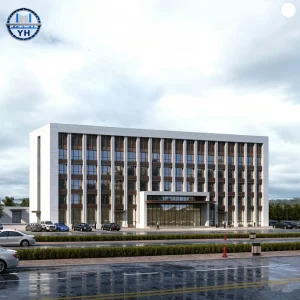
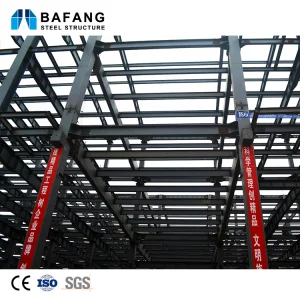
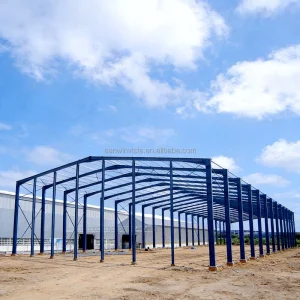
Our multi-story steel structures allow for large column-free spans. This design provides maximum layout flexibility for commercial office buildings and open shopping centers.
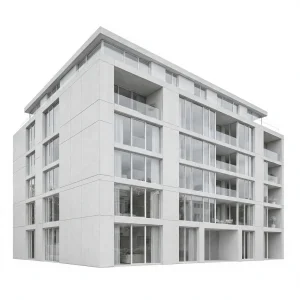
Stackable volumetric modules provide effective acoustic and thermal isolation between adjacent units, making them well-suited for student housing, hotels, and urban apartments.
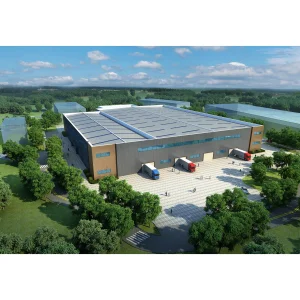
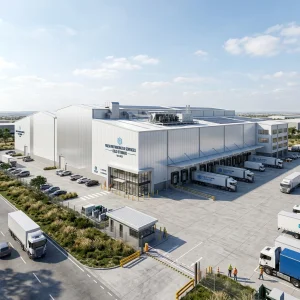
Combining heavy structural steel with modular office spaces creates functional facilities for industrial production and logistics centers.
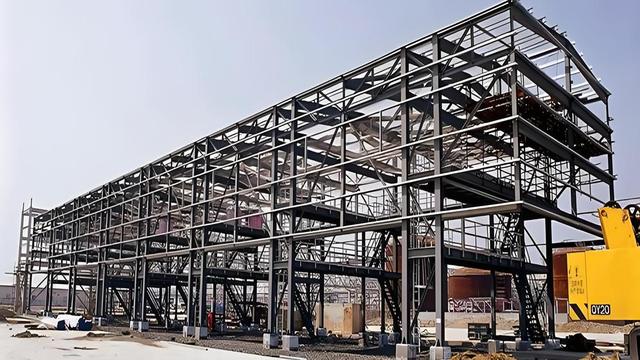
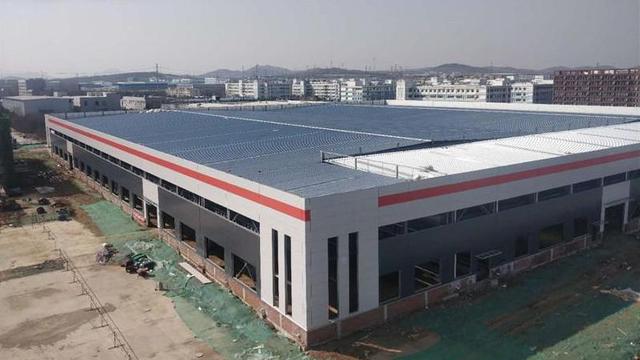
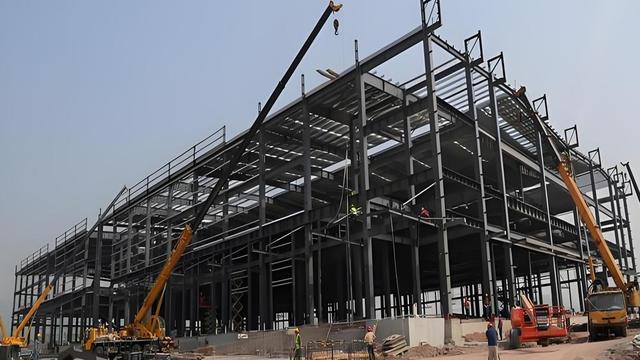
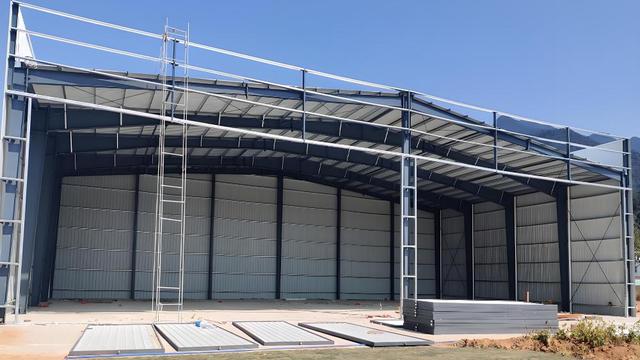
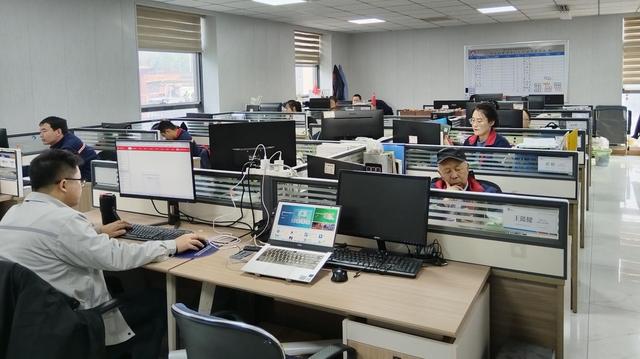
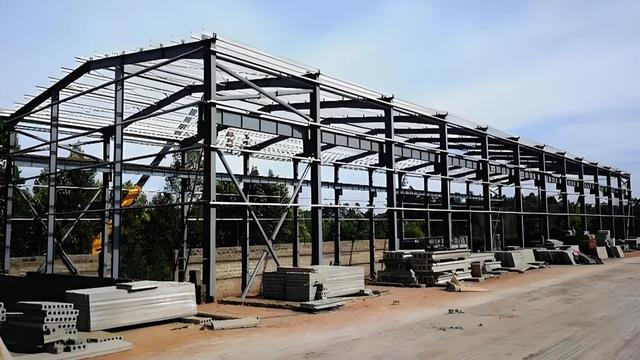
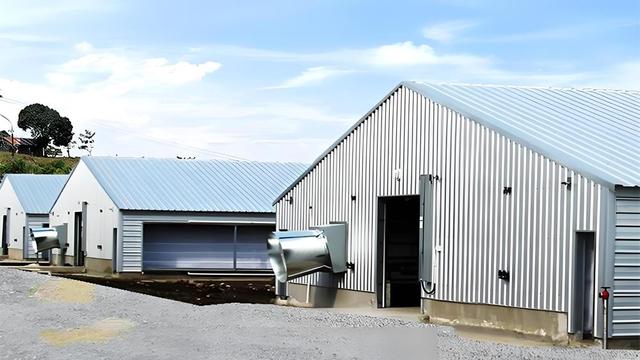
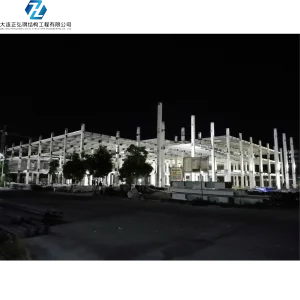
A look at our factory operations and project execution capabilities, showing how we turn engineering concepts into finished, shippable structures.
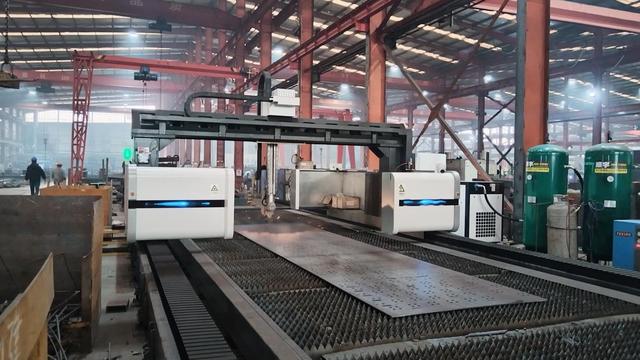
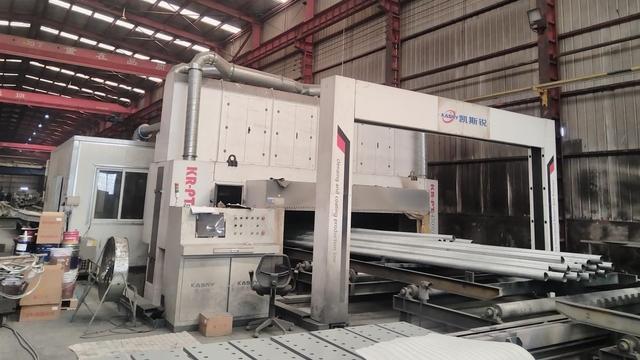
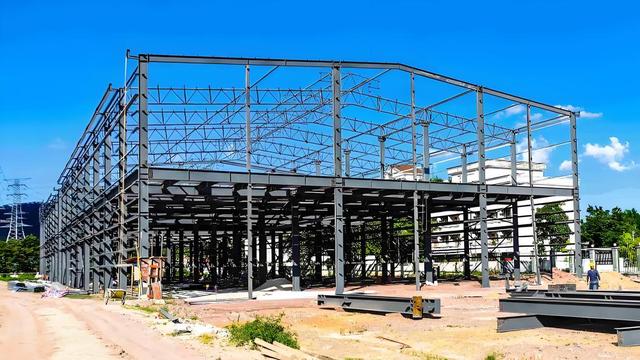
Ensuring compliance with local building codes, structural standards, and global import regulations.
A primary challenge for developers during international modular procurement is meeting local building regulations. Whether working with the International Building Code (IBC) in North America, the Eurocodes (EN) in Europe, or AS/NZS standards in Australia, structural steel designs must adapt to specific regional conditions. This includes wind actions, snow loads, seismic activity, and fire ratings.
At Foshan Nova Build Co., Ltd., we use structural analysis software like SAP2000 and Tekla Structures to match each design with regional design standards. By selecting the correct raw materials, steel grades (such as Q355B or Q460), and connection types, we ensure our structures are ready for engineering review and local permit approval.
The speed of volumetric construction relies on planned logistics and site logistics. Standard containers and flat-rack shipping frames protect pre-finished modular units during transport. During project design, we calculate module dimensions, lifting points, and crane capacity requirements. This preparation helps minimize crane repositioning and speeds up assembly on-site, allowing local assembly crews to install modules directly from delivery vehicles.
Answers to common questions about engineering, procurement, and structural durability.
Select specialized volumetric and prefabricated structural systems engineered for residential, educational, and commercial applications.
 Nova Build