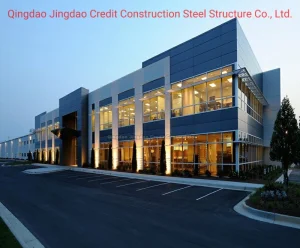
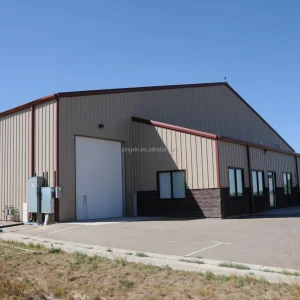
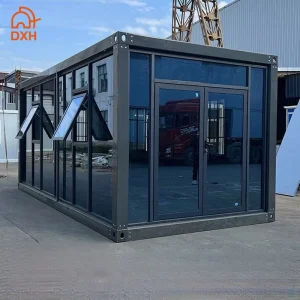
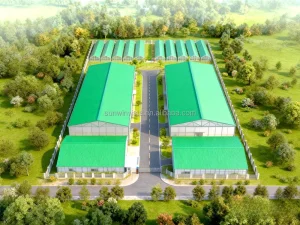
Modern global mega-projects, remote energy extractions, and rapidly scale-up manufacturing facilities demand a radical shift away from traditional site-built structures. Permanent and temporary workforce accommodations now depend entirely on high-grade prefabricated design systems. The core paradigm of modern construction revolves around minimizing on-site execution risks by shifting labor and quality controls directly into controlled manufacturing plants. In this industrial context, Foshan Nova Build Co., Ltd. stands as a premier engineering partner, bridging the gap between rigorous construction demands and structural optimization.
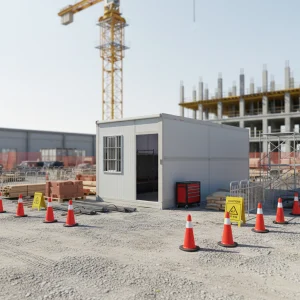
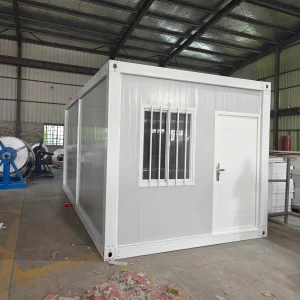
Prefabricated accommodation units represent a complex system of load-bearing structural frames integrated with architectural partitions, mechanical systems, and high thermal insulation performance. By utilizing computer-aided manufacturing (CAM) protocols and strict assembly lines, modular components reach site ready to withstand environmental loads and immediately support occupancy. This drastically reduces the project timeline—often by 30% to 50%—minimizing environmental disruption, reducing local labor overheads, and eliminating safety risks associated with open site work.
The structural reliability of a prefabricated accommodation module relies on the precise integration of light gauge steel frames (LGSF), high-yield hot-rolled structural elements, and advanced composite wall technologies. Modern manufacturing frameworks require standardizations that fulfill specific mechanical and physical performance parameters:
"Structural load integrity remains the most crucial aspect of prefabricated design. Engineering modular accommodations requires calculations that account for dead load, live load, extreme wind velocity (up to 250 km/h), roof snow load, and seismic accelerations (IBC Seismic Design Category D)."
Foshan Nova Build Co., Ltd. is a professional China modular steel structure manufacturer specializing in the design, engineering, manufacturing, and supply of high-quality prefabricated building solutions for global customers. With years of industry experience, the company has established itself as a reliable partner for industrial, commercial, and residential construction projects worldwide.
Leveraging advanced manufacturing technologies and strict quality control systems, Foshan Nova Build Co., Ltd. offers a comprehensive range of modular steel structure products, including prefabricated steel buildings, modular office buildings, warehouse structures, accommodation camps, commercial buildings, and customized steel construction solutions. Each project is engineered to meet international standards while delivering superior strength, durability, and cost efficiency.
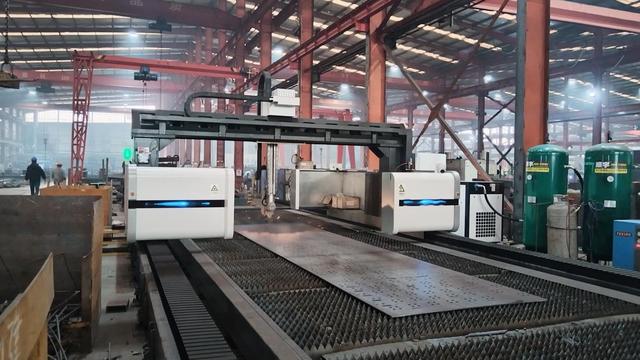
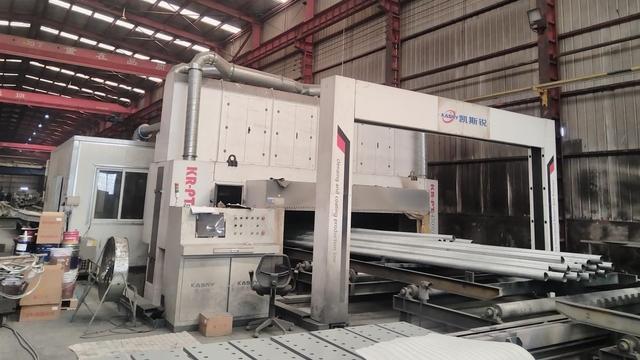
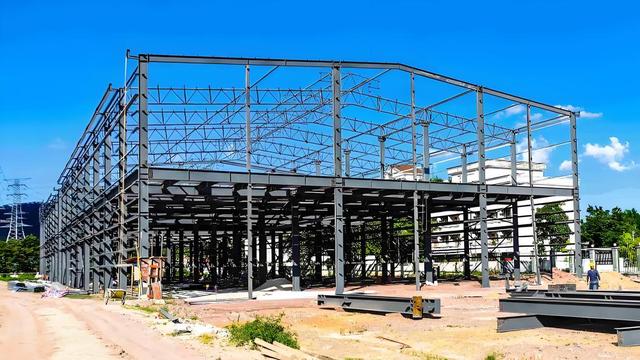

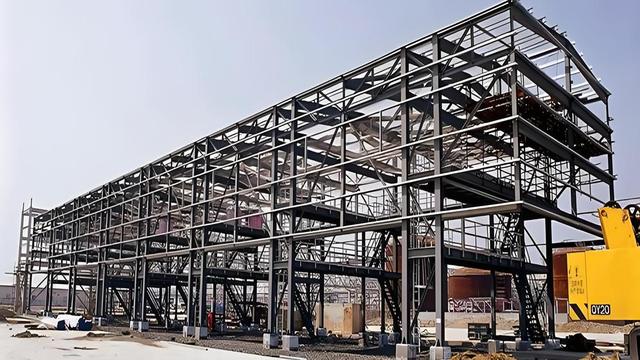
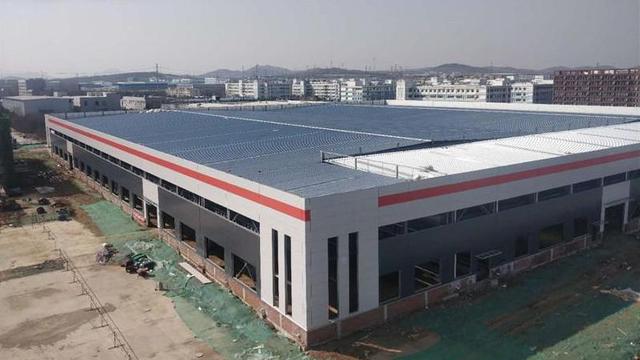
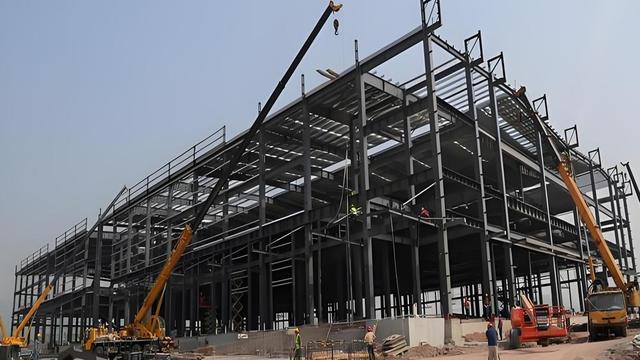
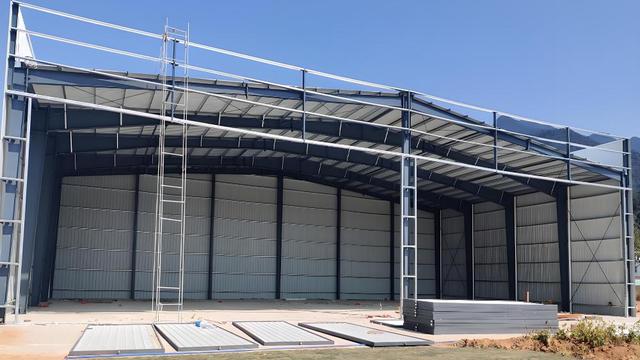
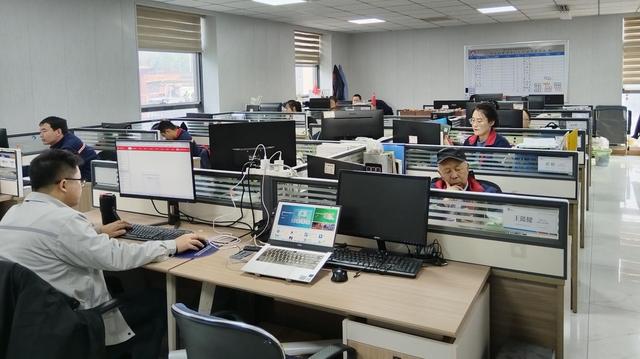
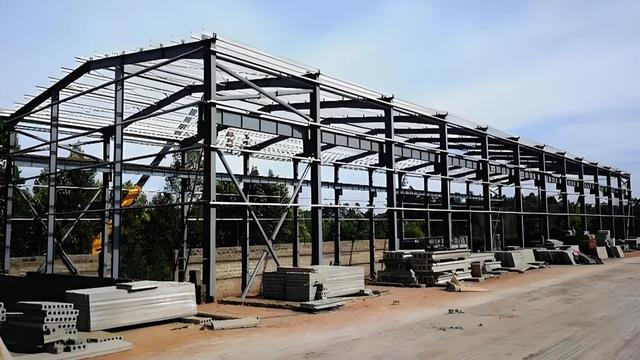
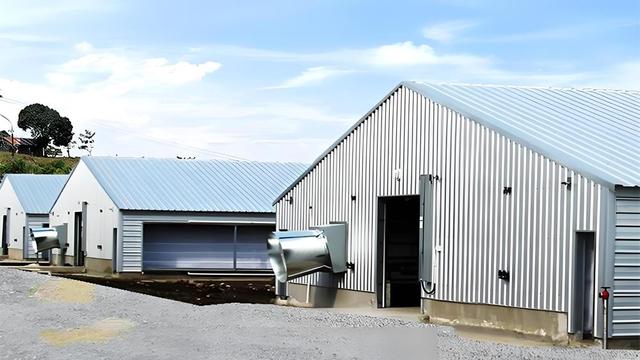
The company operates modern production facilities equipped with advanced fabrication equipment and experienced technical teams. From concept design and structural analysis to manufacturing, packaging, and logistics coordination, Foshan Nova Build provides one-stop services to ensure smooth project execution and timely delivery.
Committed to innovation and sustainable construction, the company continuously develops energy-efficient and environmentally friendly building solutions that help customers reduce construction time, labor costs, and material waste. Its modular construction systems are widely used in industrial plants, warehouses, mining camps, educational facilities, healthcare centers, and temporary or permanent commercial spaces.
Guided by the principles of quality, integrity, and customer satisfaction, Foshan Nova Build Co., Ltd. has earned the trust of clients across Asia, Europe, the Middle East, Africa, and the Americas. The company remains dedicated to delivering customized prefabricated building solutions that create long-term value for partners worldwide.
Understanding China's competitive advantage in prefabricated manufacturing requires looking beyond low-cost labor. The real advantage lies in the integration of industrial supply chains, raw material logistics, and technological ecosystems. The Pearl River Delta, with Foshan at its core, represents the world's most concentrated cluster for metal smelting, roll forming, component fabrication, sanitary ware manufacturing, and electrical integration.
This clustering allows Foshan Nova Build Co., Ltd. to source raw steel, composite insulating panels, electrical distribution units, plumbing fixtures, and interior finishes within a very small radius. As a result, transportation lag is practically zero, and processing times are drastically reduced. Additionally, the close proximity to deep-water shipping gateways like Shenzhen and Guangzhou Nansha ports minimizes domestic freight costs, simplifies export clearances, and shortens global shipping times.
A major challenge in global modular procurement is conforming to local building codes, structural criteria, and wind load ratings. A generic modular structure that works in one region could fail or face regulatory rejection elsewhere. Professional design offices must implement tailored structural modifications for each site location:
Prefabricated accommodation modules are highly versatile, allowing them to serve a wide range of industries and applications:
When purchasing prefabricated units, companies must carefully balance the trade-offs between logistics cost, local labor costs, and deployment speed. There are two main layout options:
The prefabricated building sector is moving toward full digitalization and circular sustainability. Incorporating Building Information Modeling (BIM) from the design stage ensures that steel structural members, mechanical lines, and architectural finishes fit together perfectly before production begins. At the same time, global environmental demands are pushing manufacturers to design for circularity. Since prefabricated components are assembled mechanically rather than with wet mortar, they can be disassembled and rebuilt at a different site at the end of a project, preventing waste and conserving resources.
Every project undergoes structural modeling using specialized FEA (Finite Element Analysis) software. Designers input the specific geo-location data, wind zone parameters, and seismic zone values of the target site. Calculation sheets are generated to prove compliance with relevant building codes (such as AS/NZS 1170, IBC, or Eurocodes) before manufacturing begins.
With a hot-dip galvanized primary steel structure and premium anti-corrosion coatings, the structural skeleton is designed to last 25 to 50 years. Secondary wall panels and interior finishes can be easily swapped out during regular maintenance cycles, extending the module's useful life.
For strict fire safety requirements, we recommend rockwool sandwich panels or polyisocyanurate (PIR) core panels. Rockwool is Class-A non-combustible and offers excellent fire resistance. PIR panels provide a strong balance of high thermal insulation and flame-retardant performance.
All plumbing pipes and electrical conduits are integrated into the walls and ceilings at the factory. Components like distribution boxes, outlets, and switches are installed to match the electrical standards of the target country (such as UL, CE, or SAA certifications), making on-site connection simple.
Modular units are highly adaptable. They can sit on simple concrete strip footings, concrete slabs, or steel screw piles. Screw piles are popular for temporary installations and remote areas, as they allow modules to be installed with minimal ground disturbance and easily removed later.
While the raw material costs may be similar, modular construction delivers significant savings on overall project costs. Shorter project timelines, lower local labor costs, reduced waste, and protection from weather delays usually lead to total savings of 15% to 25% compared to traditional building methods.
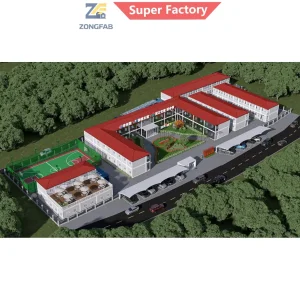
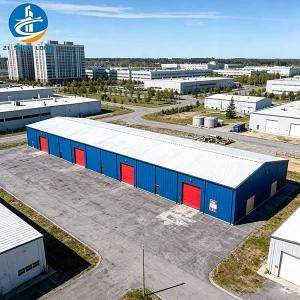
 Nova Build