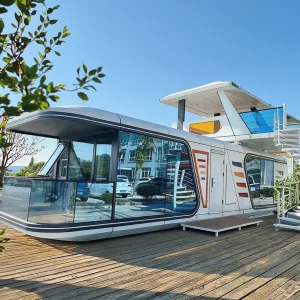
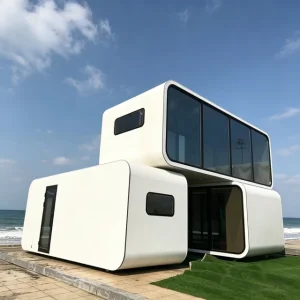
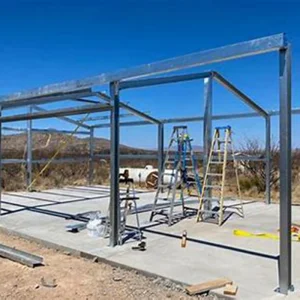
Engineered for durability, modular optimization, and rapid field deployment across multiple sectors.
The global construction paradigm is shifting rapidly from carbon-intensive, on-site traditional wet construction to dry, factory-controlled, pre-engineered steel building systems. Driven by structural labor shortages, volatile raw material pricing, and strict ESG (Environmental, Social, and Governance) mandates worldwide, structural engineers and real estate developers are increasingly specifying modular steel framing as their primary structural material. Structural steel offers unparalleled advantages: design-build efficiency, an exceptionally high strength-to-weight ratio, and complete circular recyclability.
According to recent global architecture indices, prefabricated steel structures reduce construction timelines by up to 50% and direct onsite labor costs by 30% compared to cast-in-place concrete systems, while enabling developers to claim substantial LEED (Leadership in Energy and Environmental Design) points.
Furthermore, advanced technological integrations such as Building Information Modeling (BIM Level 3) and Finite Element Analysis (FEA) are transforming how custom components are configured. Today’s top suppliers do not merely fabricate raw steel columns and girders; they engineer comprehensive building envelopes. This holistic design approach integrates MEP (Mechanical, Electrical, and Plumbing) pathways, thermal insulation, fenestration details, and acoustic controls directly into the structural frame before it leaves the factory floor. The resulting building envelope offers structural integrity capable of resisting high seismic activity and extreme localized wind loads.
Steel is 100% recyclable. By utilizing low-carbon electric arc furnace (EAF) steel and sourcing from eco-compliant mills, modern steel buildings dramatically minimize embodied carbon footprints compared to concrete structures.
The design phase leverages digital twin technology, generating millimetre-accurate BIM models. This mitigates physical clashes during installation and optimizes structural performance under complex load combinations.
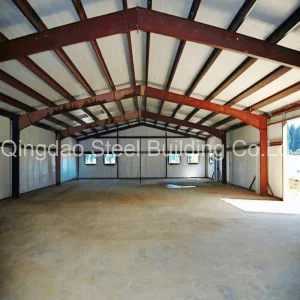
With pre-cut, pre-punched, and pre-welded framing systems delivered systematically to the construction site, assembly acts more like a mechanical configuration than a standard construction project.
For international EPC (Engineering, Procurement, and Construction) companies and institutional developers, sourcing steel buildings from overseas partners involves rigorous compliance auditing. A supplier must demonstrate structural compliance with local building codes, including AWS (American Welding Society) standards, Eurocodes, or AS/NZS specifications. Procuring modular steel systems is not just a commodity transaction; it is an integrated engineering service that requires detailed structural calculations, material traceability, and robust quality assurance protocols.
Additionally, logistics optimization plays a critical role in procurement decision-making. Pre-engineered steel structures must be intelligently packaged to fit within standard container configurations (such as flat racks or high-cube dry vans) to prevent damage during maritime transport and minimize freight charges. When evaluating China-based suppliers, procurement directors look closely for end-to-end services, seeking companies that handle everything from dynamic design and precision manufacturing to comprehensive cargo preparation and installation guidance.
| Criteria / Standard | Modular Steel Framing Systems | Traditional Wet Concrete Systems | Traditional Heavy Timber Framing |
|---|---|---|---|
| Speed of Assembly | Rapid (weeks instead of months); parallel path factory/site prep. | Slow; constrained by curing times and on-site forming. | Moderate; reliant on skilled carpentry and dry weather conditions. |
| Seismic Performance | Superior; ductile framing absorbs energy and deforms without sudden failure. | Poor to Moderate; requires costly reinforcement to prevent brittle failure. | Moderate; high structural elasticity but prone to connection failures. |
| Material Efficiency | Zero site waste; structural elements cut to exact dimensions in-factory. | High waste; concrete overruns and formwork waste generation. | Moderate; field trimming and custom adjustment creates off-cuts. |
| Structural Self-Weight | Lightweight; minimizes foundation loading, reducing civil costs. | Extremely heavy; demands larger, complex foundation engineering. | Lightweight; limited to low-rise or medium-rise density. |
| Corrosion & Decay Resistance | Excellent with hot-dip galvanization or epoxy coating systems. | High; prone to spalling, rebar corrosion, and carbonation over time. | Poor; highly susceptible to rot, moisture ingress, and termites. |
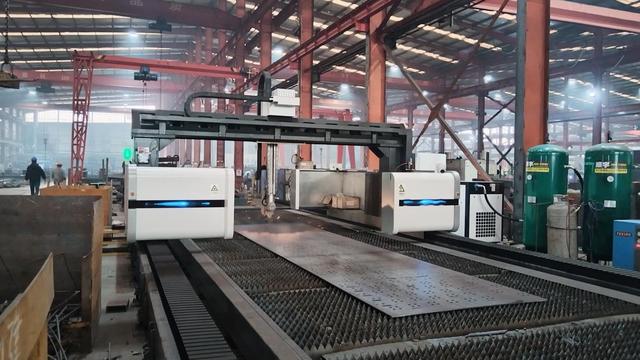
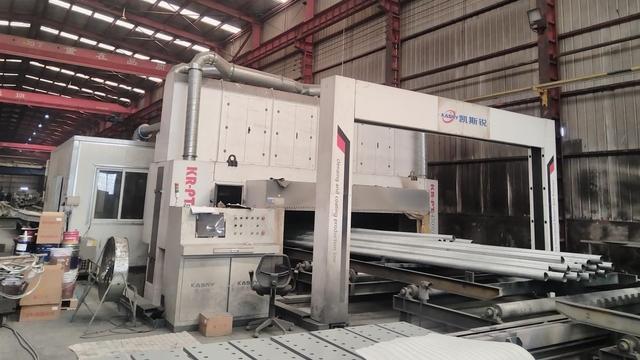
Modern Chinese manufacturing facilities have evolved into highly digitized Smart Factories. Driven by automated welding stations, high-capacity CNC plasma cutting equipment, and integrated painting/coating lines, Chinese suppliers deliver exceptional production accuracy. The strategic proximity to key ports like Shenzhen and Guangzhou, combined with deep domestic supply chains for high-strength steel coil, allows manufacturers to maintain highly competitive production schedules, even during complex material cycles.
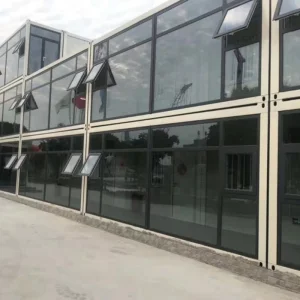
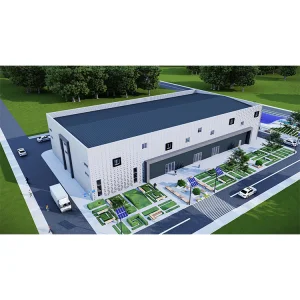
Leveraging advanced manufacturing technologies and strict quality control systems, Foshan Nova Build Co., Ltd. offers a comprehensive range of modular steel structure products, including prefabricated steel buildings, modular office buildings, warehouse structures, accommodation camps, commercial buildings, and customized steel construction solutions. Each project is engineered to meet international standards while delivering superior strength, durability, and cost efficiency.
The company operates modern production facilities equipped with advanced fabrication equipment and experienced technical teams. From concept design and structural analysis to manufacturing, packaging, and logistics coordination, Foshan Nova Build provides one-stop services to ensure smooth project execution and timely delivery.
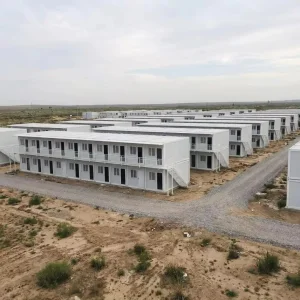
Committed to innovation and sustainable construction, the company continuously develops energy-efficient and environmentally friendly building solutions that help customers reduce construction time, labor costs, and material waste. Its modular construction systems are widely used in industrial plants, warehouses, mining camps, educational facilities, healthcare centers, and temporary or permanent commercial spaces.
Guided by the principles of quality, integrity, and customer satisfaction, Foshan Nova Build Co., Ltd. has earned the trust of clients across Asia, Europe, the Middle East, Africa, and the Americas. The company remains dedicated to delivering customized prefabricated building solutions that create long-term value for partners worldwide.
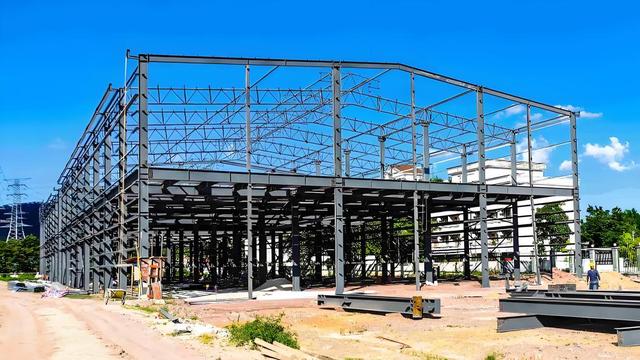

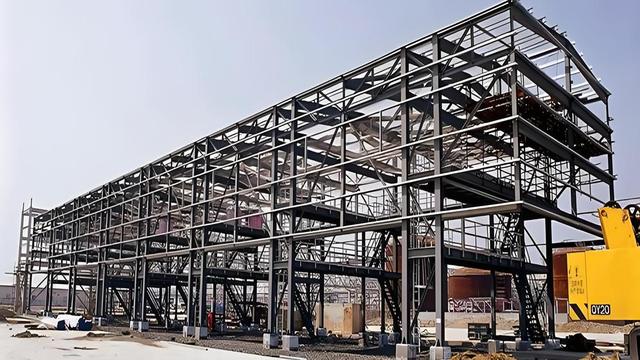
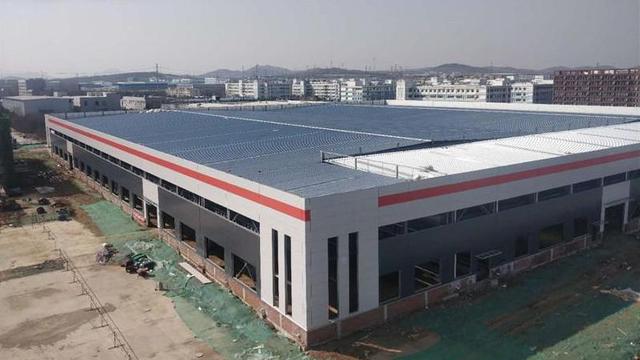
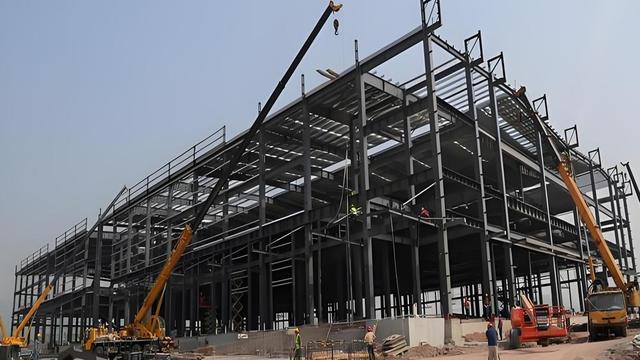
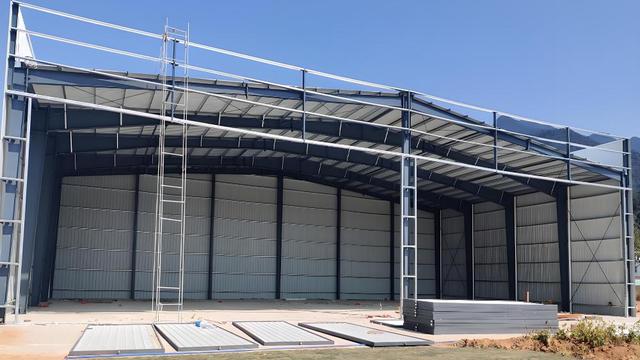
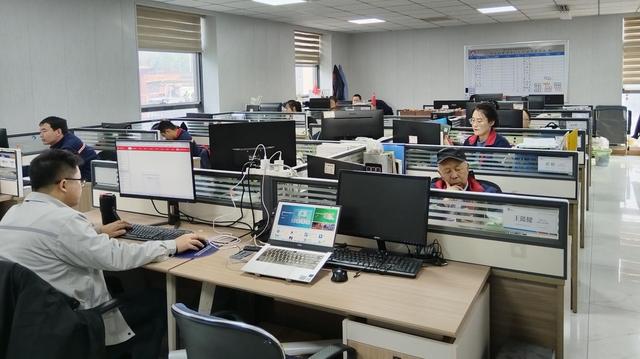
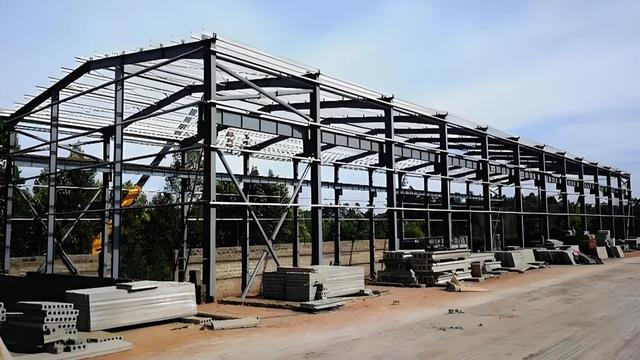
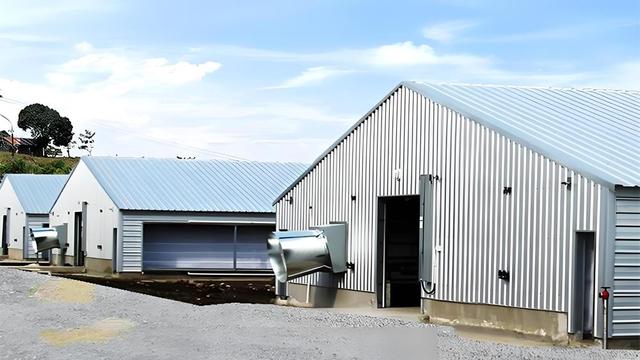
Different markets present distinct environmental challenges that dictate specific material configurations. A one-size-fits-all product is insufficient when addressing diverse global climates, local building regulations, and site accessibility. An experienced steel systems manufacturer customizes raw material specifications and design features based on the installation site's conditions.
Essential insights for engineers, developers, and project procurement managers exploring modular steel architectures.
Every modular system undergoes structural engineering calculation modeling based on the project's physical location. We run simulations utilizing local wind velocities, ground snow loads, and seismic hazard coefficients. Structural drawings and design calculations can be generated in accordance with AISC standards, Eurocodes, AS/NZS codes, or British Standards (BS), with calculations signed off by structural engineers to streamline local permitting processes.
To ensure a lifespan exceeding 50 years, structural steel elements are treated with either high-durability epoxy coating systems or hot-dip galvanization conforming to ISO 1461 standards. For heavy industrial installations or coastal projects exposed to high salinity, we recommend hot-dip galvanization with a minimum zinc coating thickness of 85 microns, providing robust protection against rust and corrosion.
Our modular wall and roof systems utilize non-combustible material cores. We supply Class A fire-rated Rockwool sandwich panels or high-thermal-efficiency Polyisocyanurate (PIR) and Polyurethane (PU) cores. Panel thicknesses range from 50mm up to 200mm, allowing thermal performance configurations that meet stringent energy efficiency regulations in colder climates.
We use a knock-down flat packaging approach or pre-fabricated modular unit assembly optimized for sea transport. Modular frame steel components, wall paneling, and interior elements are packed, numbered, and loaded to maximize container capacity and avoid shifting during transit. Every shipment includes detailed assembly packing lists, 3D structural drawings, and installation instruction manuals to facilitate efficient site assembly.
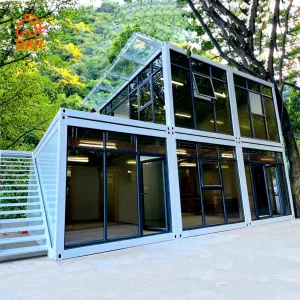
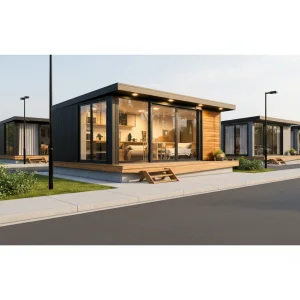
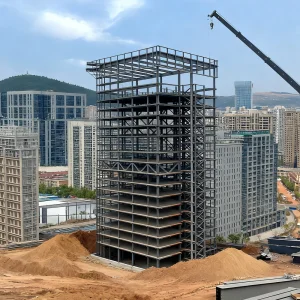
Explore our specialized modular cabins, high-rise framing components, and temporary hospitality units.
 Nova Build