Discover a curated collection of high-specification, industrial-grade prefabricated building modules built to serve robust commercial, environmental, and corporate spaces worldwide.
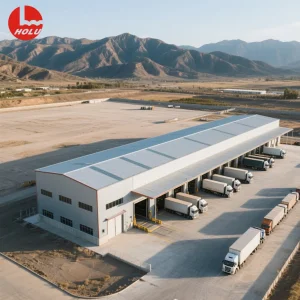
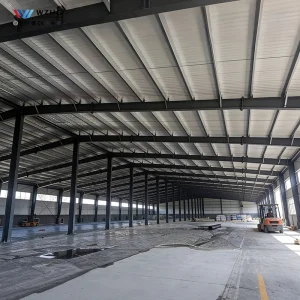
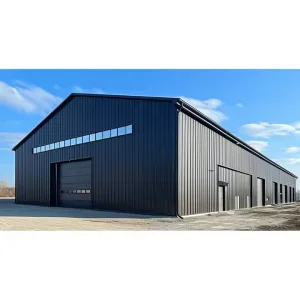
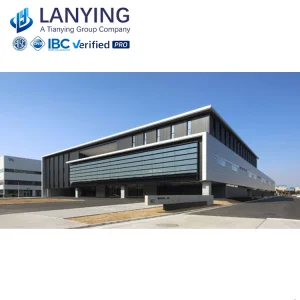
The global construction paradigm is shifting rapidly from traditional on-site masonry and stick-frame methods toward off-site pre-engineered fabrication. Modern modular office solutions are no longer regarded as temporary makeshift shacks; they represent high-performance architectural systems integrated with building management interfaces, state-of-the-art thermal properties, and superior structural endurance.
By engineering systems under highly regulated factory environments, material waste is reduced by up to 40%, and construction lead-times are cut by nearly half. This rapid scaling capability addresses urgent corporate housing requirements, administrative setups within industrial complexes, and adaptive commercial spaces with remarkable structural consistency.
Designed under strict Eurocodes, AISC profiles, and local regional code benchmarks.
Reduced localized emissions and optimized raw material consumption metrics.
Understanding the fundamental structural, financial, and logistical variances is key to making informed capital expenditures. The comparative matrix below outlines exactly how pre-engineered structural steel structures stack up against standard concrete framework projects:
| Structural Factor | Modular Steel / Prefab Offices | Traditional Concrete & Masonry |
|---|---|---|
| Manufacturing Control | Controlled factory setting (ISO Standards) | Highly dependent on site weather conditions |
| Structural Dead Load | Lightweight structural galvanized steel frames | Heavy reinforced concrete footings required |
| Deconstruction/Relocation | Highly flexible, recyclable modular components | Demolition necessary (non-recoverable) |
| Thermal Insulation (U-Value) | High-performance Rockwool/EPS (Up to 0.035 W/m²K) | Relies on added dynamic insulation layers |
Foshan Nova Build Co., Ltd. is a professional China modular steel structure manufacturer specializing in the design, engineering, manufacturing, and supply of high-quality prefabricated building solutions for global customers. With years of industry experience, the company has established itself as a reliable partner for industrial, commercial, and residential construction projects worldwide.
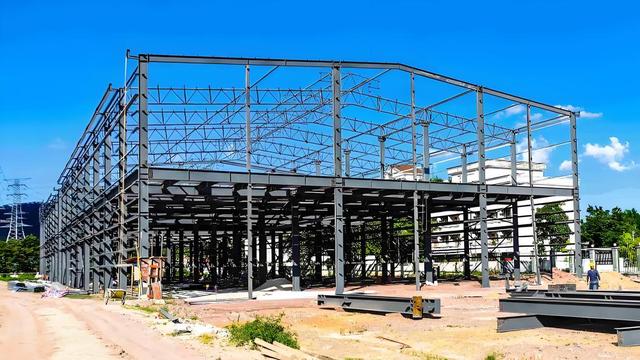
Leveraging advanced manufacturing technologies and strict quality control systems, Foshan Nova Build Co., Ltd. offers a comprehensive range of modular steel structure products, including prefabricated steel buildings, modular office buildings, warehouse structures, accommodation camps, commercial buildings, and customized steel construction solutions. Each project is engineered to meet international standards while delivering superior strength, durability, and cost efficiency.
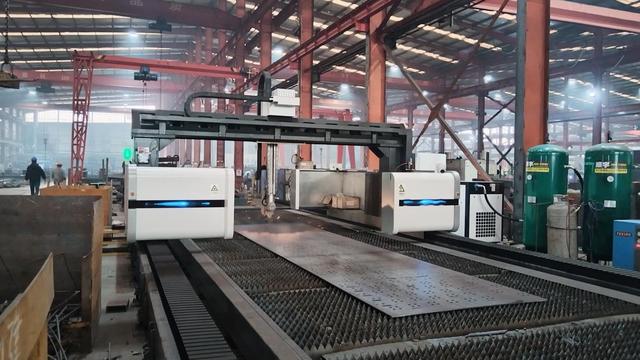
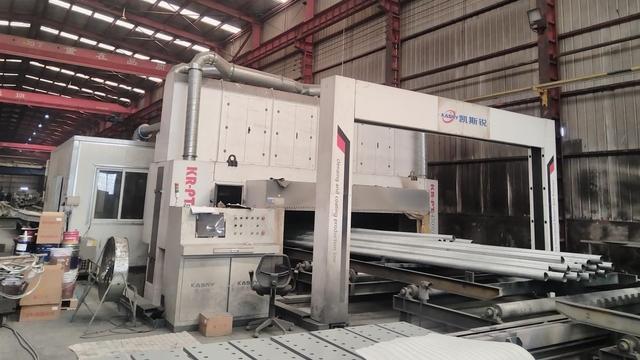
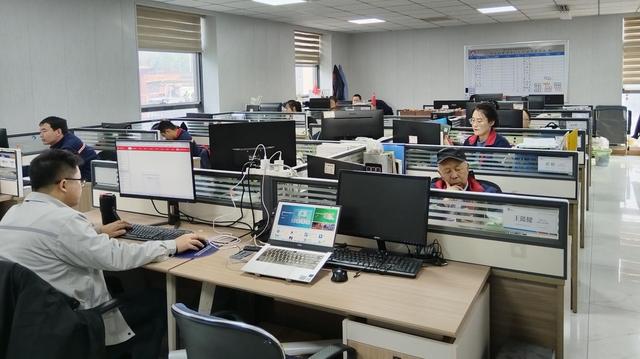
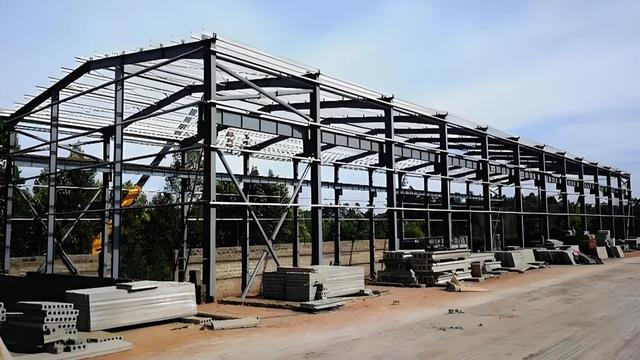
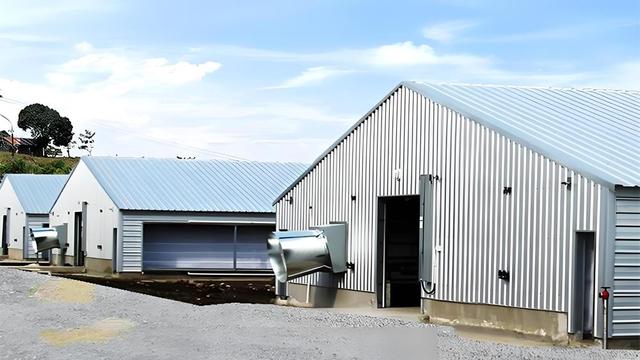
The company operates modern production facilities equipped with advanced fabrication equipment and experienced technical teams. From concept design and structural analysis to manufacturing, packaging, and logistics coordination, Foshan Nova Build provides one-stop services to ensure smooth project execution and timely delivery. Below is an internal look into our fabrication stages, quality checks, and logistics operations:
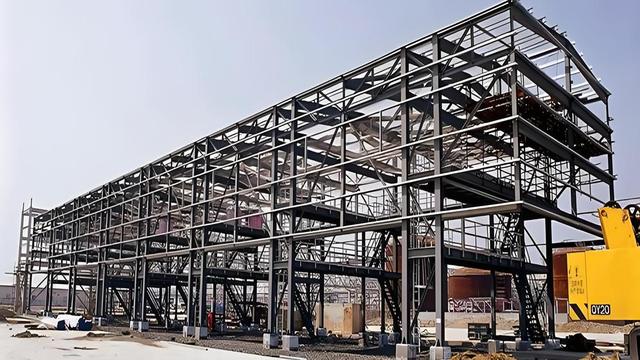
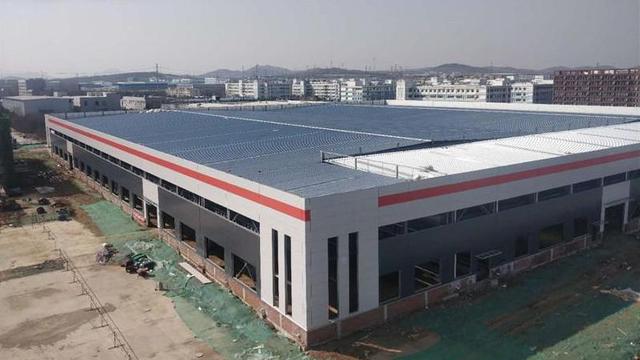
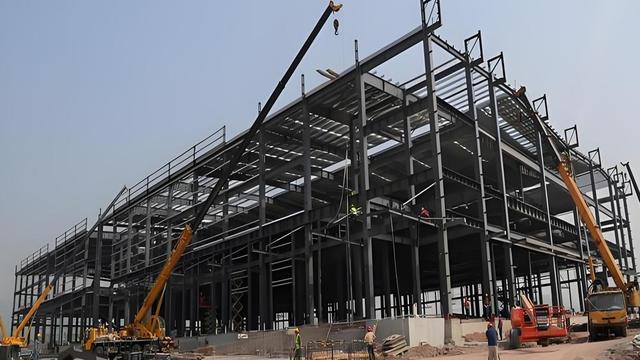
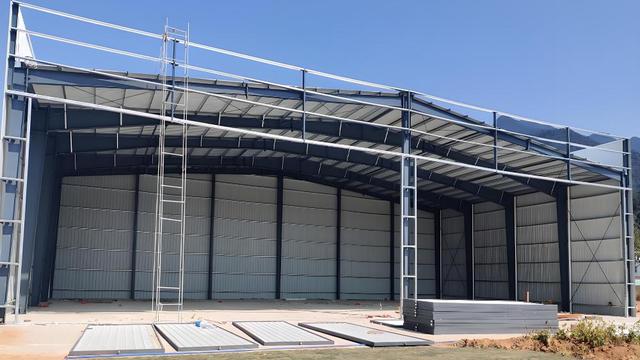
Why structural grade metals and insulated compound modules are outperforming brick-and-mortar builds globally.
Incorporating sandwich panels built with fire-retardant Expanded Polystyrene (EPS), Polyurethane (PU), or high-density Rockwool. This ensures acoustic isolation (up to 42dB reduction) and outstanding thermal performance across extreme sub-zero or equatorial operations.
Main structures utilize high-tensile hot-dip galvanized steel frames (Q235B & Q355B grades) with protective zinc coatings up to 275g/m². This prevents oxide deterioration, allowing a lifespan exceeding 25 years without structural fatigue.
Engineered for global intermodal transport compatibility. Flat-pack and knockdown designs fit seamlessly inside standard 40ft High Cube containers. Eight modules can typically be assembled within a single working day by standard crews.
Foshan Nova Build designs pre-engineered building kits in complete alignment with regional building regulations. Every structural node undergoes Finite Element Analysis (FEA) to predict fatigue cycles, structural loading distributions, and deflection parameters.
Whether you require multi-story prefabricated apartments or space-maximized metal storage warehouses, each component is calibrated for structural efficiency and seismic safety.
Discover how custom modular offices and steel warehouses operate under various regional regulations and diverse environmental conditions.
Remote locations such as Western Australia or northern Canadian territories demand highly resilient, self-contained living modules. Equipped with pre-wired HVAC units, modular structural bases, and heavy insulation, these structures withstand sub-zero wind chills and hot desert environments alike.
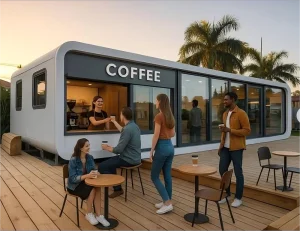
Rapid zoning changes in European and North American metropolitan areas require adaptive commercial retail structures. Compact coffee shops, portable ticket booths, and pop-up retail pods allow commercial operators to launch in key locations without permanent foundations or long permitting processes.
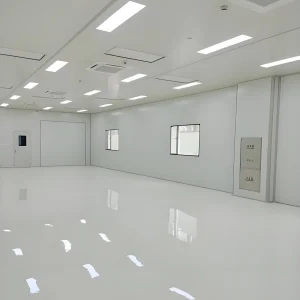
For semiconductor manufacturing, pharmaceutical testing, and medical research, we supply ISO 5-8 Level Prefabricated Clean Rooms. These modules feature specialized particulate filtration, flush wall systems, and non-outgassing surfaces to maintain strict, dust-free interior parameters.
The next era of modular building will be defined by integration and responsiveness. Modern designs are shifting toward self-sustaining structures that incorporate green building elements directly into the manufacturing stage.
Our ongoing research and development focus on structural resilience and the implementation of green technologies to deliver more efficient, eco-friendly modular solutions.
By standardizing fabrication processes in a controlled environment, we ensure high quality while minimizing on-site waste and environmental impact.
Technical insights to help procurement managers, construction supervisors, and developers optimize their modular projects.
Foshan Nova Build customizes each project’s structural layout to meet the specific requirements of the destination country, including Eurocodes (Europe), IBC/AISC (Americas), and AS/NZS standards (Oceania). We conduct local load assessments for wind, snow, and seismic activity prior to structural fabrication.
We provide sandwich panels with varying core materials depending on the application: Rockwool (high fire safety and sound dampening), Polyurethane (PU, for maximum thermal efficiency), and Expanded Polystyrene (EPS, offering cost-effective thermal performance).
Prefabricated modular units are lighter than traditional brick buildings, meaning they require simpler, less costly foundations. Suitable options range from concrete strip footings and slab-on-grade foundations to steel screw piles for soft or uneven terrain.
We can pre-install electrical wiring, conduit systems, distribution boards, and sanitary plumbing lines within the wall panels during factory assembly. Pre-installed systems conform to local safety certifications (such as UL, CE, or SAA) to facilitate quick plug-and-play hookups on-site.
With hot-dip galvanization and high-quality protective coatings, structural steel frames resist rust and weathering for over 25 years. Routine maintenance involves checking joints, cleaning rain gutters, and inspecting structural seals every 3 to 5 years.
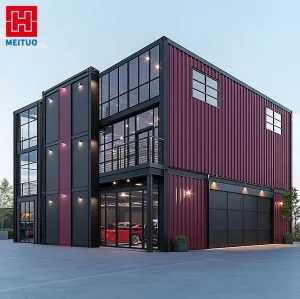
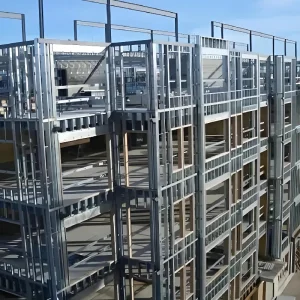
Yes. Our modular steel frames can be engineered to support multi-story designs, including office complexes, showrooms, and apartments. These multi-level systems utilize heavy-gauge corner columns and structural floor joists to safely distribute vertical loads.
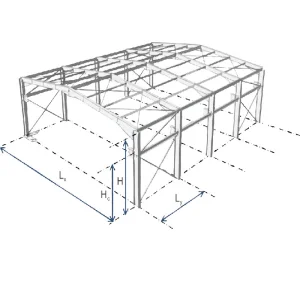
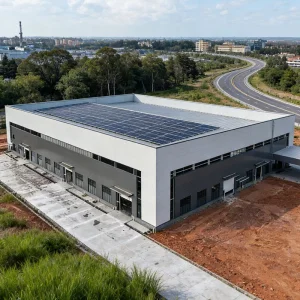
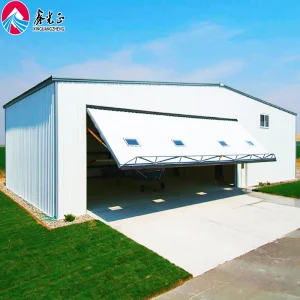
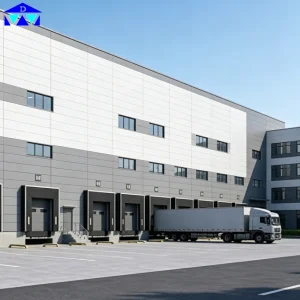
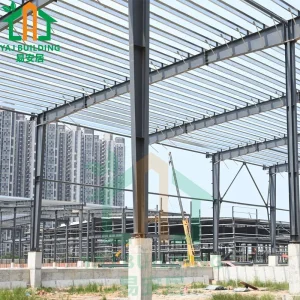
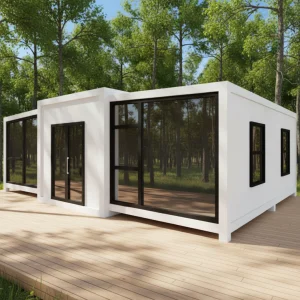
Explore our pre-engineered steel buildings, commercial warehouses, and modular structures designed for high-capacity industrial applications.
 Nova Build