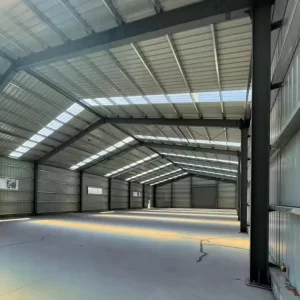
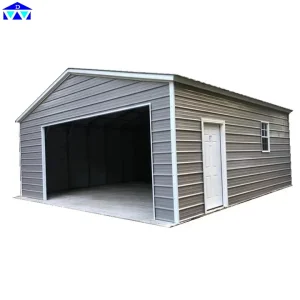
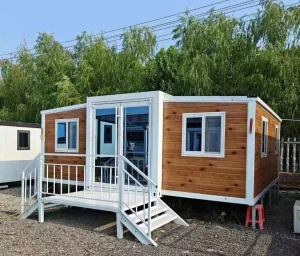
Engineered structural systems built to international standards, optimized for global logistics and onsite structural assembly.
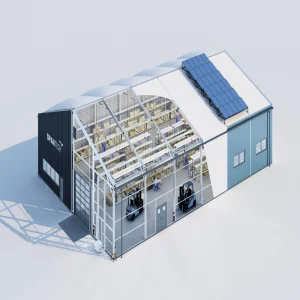
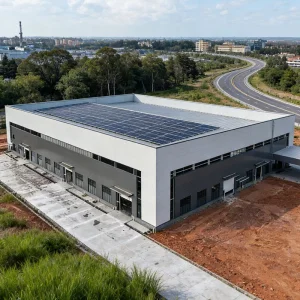
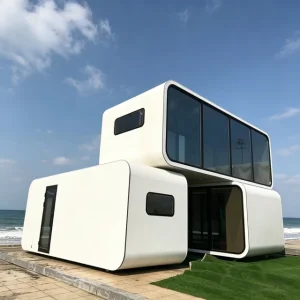
Integrating architectural innovation with precision engineering to serve the expanding global demand for modular structures.
Foshan Nova Build Co., Ltd. is a professional China modular steel structure manufacturer specializing in the design, engineering, manufacturing, and supply of high-quality prefabricated building solutions for global customers. With years of industry experience, the company has established itself as a reliable partner for industrial, commercial, and residential construction projects worldwide.
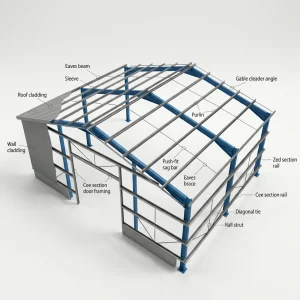
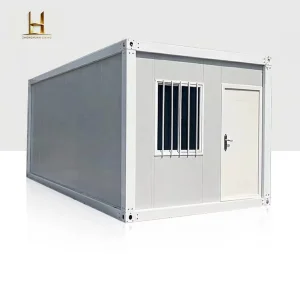
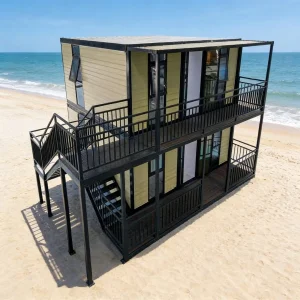
Leveraging advanced manufacturing technologies and strict quality control systems, Foshan Nova Build Co., Ltd. offers a comprehensive range of modular steel structure products, including prefabricated steel buildings, modular office buildings, warehouse structures, accommodation camps, commercial buildings, and customized steel construction solutions. Each project is engineered to meet international standards while delivering superior strength, durability, and cost efficiency.
The company operates modern production facilities equipped with advanced fabrication equipment and experienced technical teams. From concept design and structural analysis to manufacturing, packaging, and logistics coordination, Foshan Nova Build provides one-stop services to ensure smooth project execution and timely delivery.
Committed to innovation and sustainable construction, the company continuously develops energy-efficient and environmentally friendly building solutions that help customers reduce construction time, labor costs, and material waste. Its modular construction systems are widely used in industrial plants, warehouses, mining camps, educational facilities, healthcare centers, and temporary or permanent commercial spaces.
Guided by the principles of quality, integrity, and customer satisfaction, Foshan Nova Build Co., Ltd. has earned the trust of clients across Asia, Europe, the Middle East, Africa, and the Americas. The company remains dedicated to delivering customized prefabricated building solutions that create long-term value for partners worldwide.
Analyzing key structural shifts in industrial building demand, sustainability mandates, and the global housing paradigm.
Unprecedented urban expansion demands scalable, fast-to-deploy housing structures. Prefabricated technology reduces onsite project timelines by up to 50% compared to wet-construction methodologies, making it crucial for municipal planning.
Global steel construction aligns with stringent environmental targets. Steel is 100% recyclable, and offsite prefabrication reduces raw material waste to less than 2%, satisfying international LEED and BREEAM building credentials.
The post-pandemic commercial space requires predictable lead times. Flat-pack and containerized systems allow global shippers to dispatch complete functional structural systems (offices, dormitories, clinics) within standardized shipping routes.
Analyzing structural alterations engineered to thrive in diverse macro-environmental parameters globally.
We redesign light steel framing using double-sided high-density tension connectors and heavy-gauge cold-formed steel sections. Our systems are engineered to withstand Category 5 hurricanes (wind speeds up to 250 km/h) complying with AS/NZS 1170.2 standards.
To operate reliably in polar conditions, prebuilt housing uses custom multi-layer structural insulated panels (SIPs) containing continuous Polyurethane (PU) or Rockwool cores. Thermal bridging is resolved via proprietary structural isolation barriers, reducing energy expenditure.
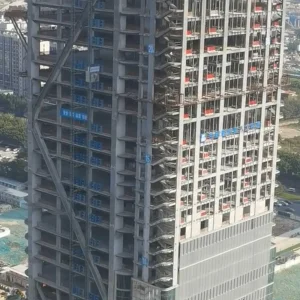
Structural stability in seismic zones is secured through structural moment frames coupled with flexible structural joints. Our engineered steel modular structures dissipate kinetic energy safely, fulfilling Eurocode 8 and IBC seismic safety rules.
The progression of offsite fabrication from standardized structural envelopes to integrated, circular ecosystems.
Moving beyond physical geometry to integrate scheduling (4D), costing (5D), and lifetime sustainability (6D) directly inside the initial digital model, ensuring zero layout mismatches during factory assembly.
Implementing robotic steel welding cells to achieve exact dimensional tolerances (within 0.5mm), improving joint reliability and structural stress mitigation under extreme load configurations.
Incorporating ultra-low carbon recycled steel and bio-based architectural insulations to reduce the total carbon foot-print of completed modular buildings by 40% before shipping.
Factory-integrating IoT electrical sensors, water recycling units, and solar arrays inside modular walls so buildings function immediately once linked to local utilities.
How our base in Foshan, Guangdong optimizes industrial procurement, processing speed, and global export routes.
Foshan is the premier metal fabrication and structural components cluster in Southern China. We secure raw steel from large state-owned mills, guaranteeing consistent chemical properties and tensile capabilities at stable price margins.
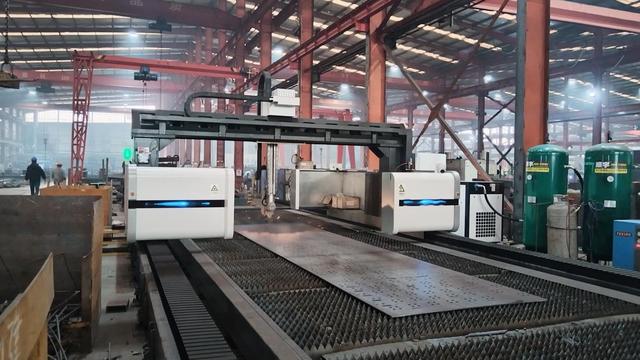
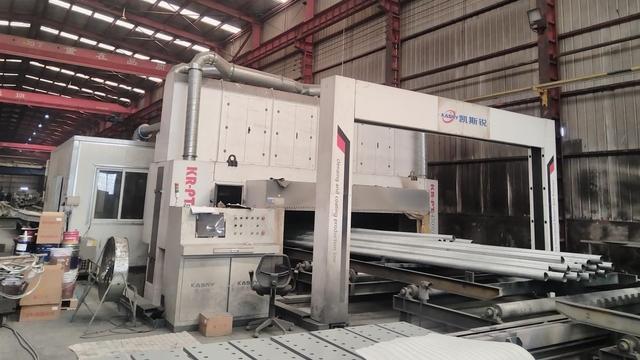
Our facility runs high-capacity structural steel processing lines: CNC drilling, laser cutting, automated shot-blasting, and modern paint lines. This physical integration prevents quality drop-offs and reduces production lead times.
Proximity to Shenzhen, Guangzhou, and Hong Kong ports offers vast maritime logistics choices. Customized structures are packed in heavy-duty shipping bundles to minimize transport damage and optimize freight utilization.
Ensuring every structural element satisfies local building codes, structural loads, and compliance rules.
Welding procedures and welders are certified to AWS D1.1 and EN ISO 9606-1 standards. Non-destructive testing (NDT), including ultrasonic and magnetic particle testing, is routinely applied to primary structural connections.
Every modular home structural assembly carries full traceability. Steel grades (typically Q355B or Q235B) come with Mill Test Certificates (MTC) conforming to EN 10204 3.1, meeting EU and Australian import regulations.
Steelwork undergoes hot-dip galvanization (conforming to ISO 1461, coating thickness > 85μm) or receives high-build epoxy zinc-rich paint treatments to secure a design life of over 50 years in corrosive environments.
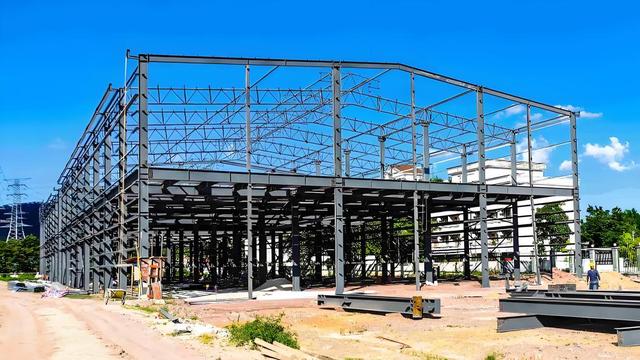
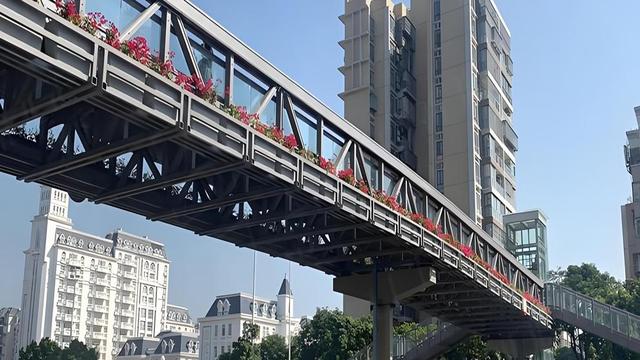
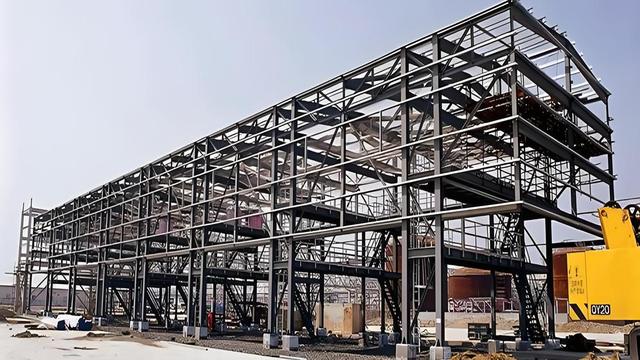
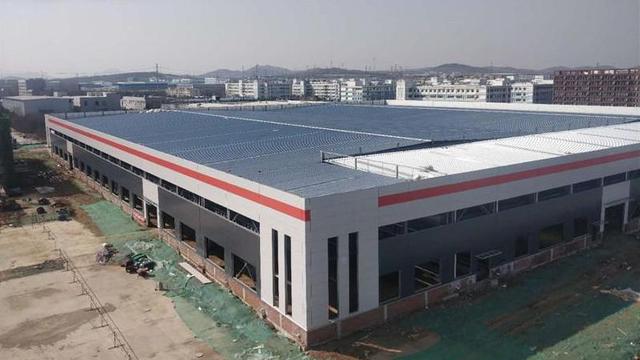
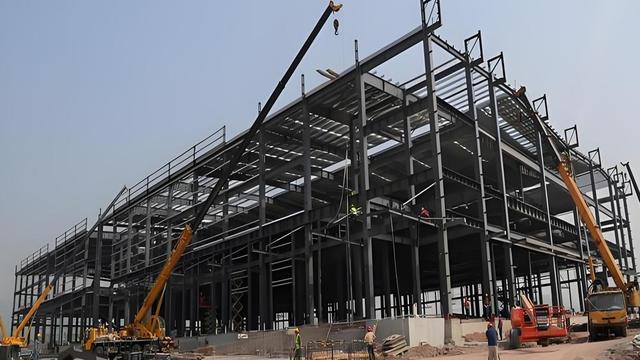
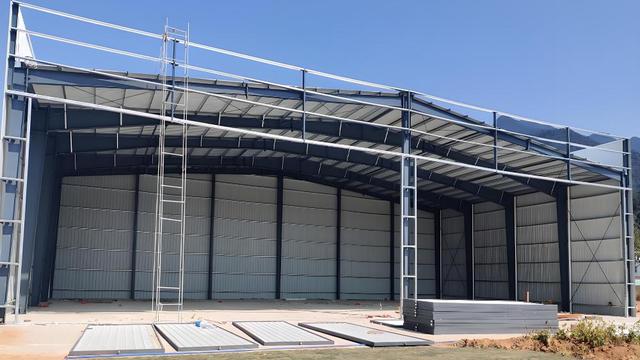
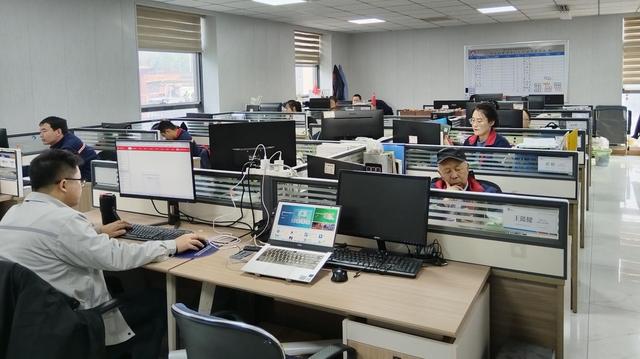
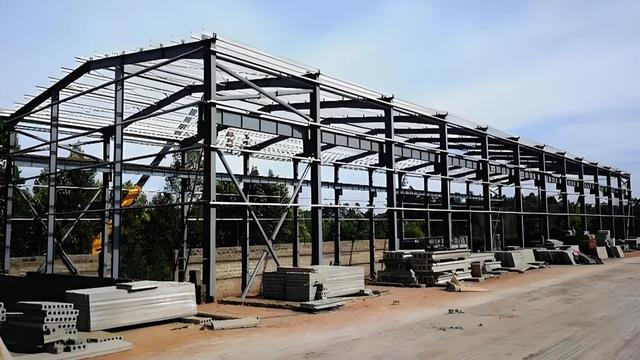
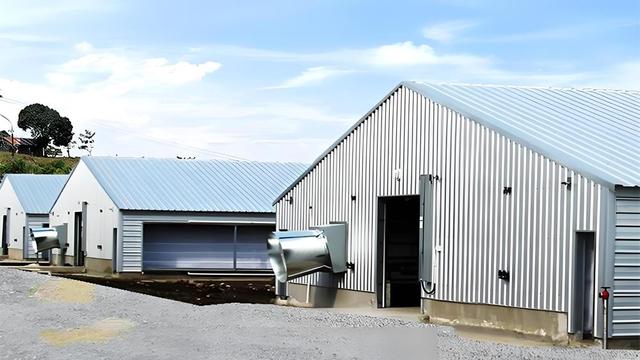
Comprehensive photo gallery demonstrating our state-of-the-art production lines, machining tolerance control, and completed assemblies.
Answering major engineering, compliance, logistics, and customization queries for global buyers.
We mainly use high-strength Q355B (equivalent to ASTM A572 Grade 50 or S355JR under EN 10025) for load-bearing columns and beams, and Q235B (equivalent to ASTM A36 or S235JR) for secondary framing and purlins. This selection ensures optimum weldability and strength-to-weight performance.
Primary structures undergo hot-dip galvanization with a minimum zinc coating thickness of 85 microns. Secondary components receive two coats of zinc-rich epoxy primers followed by a protective polyurethane finish. Connection bolts are hot-dip galvanized or Dacromet-coated to prevent galvanic corrosion.
Yes. Every structure undergoes localized finite element analysis (FEA) using tools like PKPM, Tekla, or SAP2000. We design according to your local codes, adapting beam depths, column thicknesses, and foundation connection designs to match local wind and snow loads.
For projects requiring strict fire ratings, we use high-density Rockwool core sandwich panels. Rockwool is Class A1 non-combustible and can withstand temperatures exceeding 1000°C, providing structural stability and safety in fire scenarios.
We use specialized steel skid packing to secure components. Columns, beams, and panel bundles are strapped onto heavy-duty steel skids. This setup allows forklift crews to load and unload them from standard 40ft HQ shipping containers, reducing handling damage.
We provide comprehensive architectural and structural drawing sets, foundation layout plans, material specifications, and calculation books signed by certified structural engineers to help your local design team secure municipal building permits.
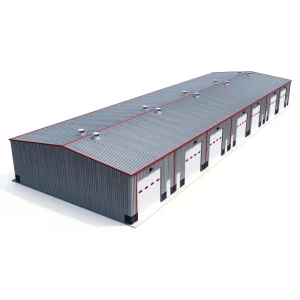
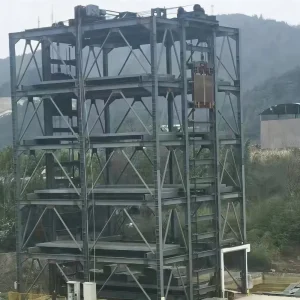
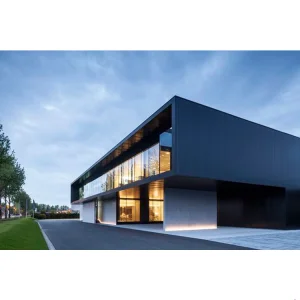
Explore our broader line of pre-engineered steel warehouses, modular workspaces, and specialty metal framing.
 Nova Build