Modular construction can reduce waste, shorten schedules, and improve cost control. Yet factory production does not automatically create a cheaper project. Design changes, transport delays, site preparation, and weak coordination can quickly absorb expected savings. This is where how to reduce costs in modular construction projects becomes a practical management question, not a simple purchasing decision.
Experienced project teams begin with realistic cost information. They compare factory labor, materials, transport, cranes, foundations, utilities, and local installation work. A small planning error can become expensive when repeated across fifty modules. For example, changing a bathroom layout after fabrication may require new drawings, replacement fittings, and delayed delivery. Early design freeze dates matter. So does supplier capacity.
This guide explores proven ways to control these costs without weakening safety, durability, or occupant comfort. It considers standardized designs, early procurement, value engineering, efficient logistics, digital coordination, and careful site planning. Cost engineers and modular manufacturers often recommend reviewing the complete project lifecycle, rather than focusing only on the factory price. That broader view is essential. Not every saving works. A cheaper material may increase maintenance costs later, while a faster assembly plan may overlook crane access or weather protection. These trade-offs deserve honest review. The strongest results usually come from disciplined collaboration between architects, manufacturers, contractors, and clients. Clear responsibilities help prevent costly assumptions. Practical decisions, measured regularly, can turn modular construction into a more predictable investment.
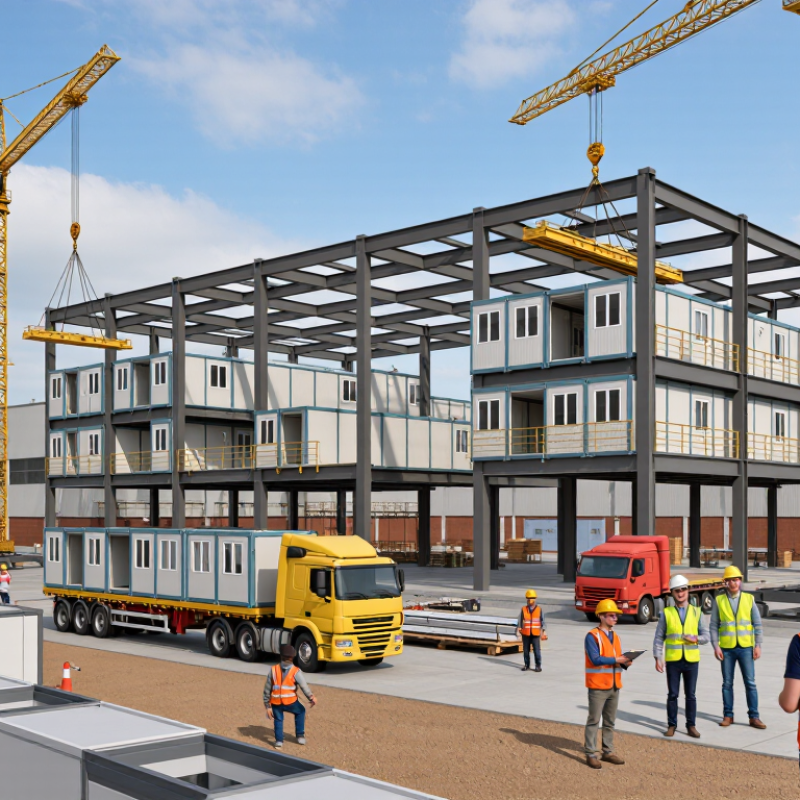
Project scope planning is one of the most effective ways to control costs in modular construction. A clear scope defines what happens in the factory, on site, and during final installation. Without this boundary, small omissions can become expensive change orders.
Create a scope matrix before design approval. List module dimensions, materials, finishes, mechanical systems, transport limits, crane access, and site connections. Record who supplies each item.
A 3.2-meter-wide module may require route checks, escort planning, and temporary road changes. These details affect the budget early.
Use measured allowances for uncertain work, such as ground preparation or utility relocation. Avoid hiding uncertainty inside a single large contingency. It makes cost reviews less reliable. On one project, our early estimate missed temporary drainage near the assembly area. The mistake was avoidable. A detailed site survey would have exposed it sooner.
Hold scope reviews at design freeze, fabrication release, and pre-delivery. Compare the approved drawings with current quantities and labor assumptions. Track every requested change, including its schedule and transport impact. A cheaper material may increase factory time or create installation problems. Cost control is not only about the purchase price. It is about the full project path. Keep decisions documented, even when the team expects them to remain unchanged. That expectation can fail.
Modular construction costs often rise when every unit receives a different design. Design standardization reduces this variation before manufacturing begins. Repeating wall panels, bathroom pods, and service routes can lower material waste and labor hours. A fixed structural grid also simplifies cutting, drilling, and quality inspections.
This sounds simple. It is not. In project reviews, I have seen small design changes create expensive factory delays. A 1.2-meter panel may fit one module perfectly but cause awkward gaps elsewhere. Engineers should test standard dimensions against transport limits, site access, and installation tools. Manufacturing teams can then prepare reusable jigs, templates, and assembly stations. Fewer custom parts usually mean fewer purchasing errors and faster production.
Standardization also improves learning. Workers repeat familiar tasks and detect defects earlier. Yet excessive uniformity can create new costs. In one early layout, we forced identical service zones into rooms with different functions. Rework erased much of the expected saving. A reliable process needs controlled flexibility, not rigid repetition. Cost models should compare material savings with redesign, storage, and handling expenses. Production data from trial batches can reveal whether a standard module truly performs better. Small feedback matters. Documented changes should return to the design team before full-scale manufacturing. Drawings must remain clear, coordinated, and practical for the people building them.
Material Selection and Waste Reduction in Factory Production
Modular construction savings often begin with material decisions made before production starts. In factory projects, I have seen standard sheet sizes reduce cutting losses and simplify storage. Durable materials are not always the cheapest choice, but replacement work can cost more than the original purchase.
Factory teams should compare strength, weight, moisture resistance, and installation time together. A lighter panel may reduce transport costs and shorten lifting operations. However, it can create problems if workers need extra framing or protection. Trial assemblies can reveal these hidden costs before full production begins.
Waste reduction needs accurate measurement and disciplined handling. Digital cutting plans can arrange wall panels, flooring, and insulation around standard dimensions. Offcuts should be sorted by size and stored near suitable workstations. Small pieces can support blocking or temporary protection, when safety requirements allow it. Keep records.
Clear delivery schedules also prevent damaged materials from sitting in crowded areas. Covered storage matters, especially for timber products and moisture-sensitive boards. Some teams still over-order because shortages feel more dangerous than leftovers. That habit deserves review. Excess stock ties up cash and may become unusable after design changes. A practical monthly check can compare purchased quantities, installed quantities, and discarded materials. The results may expose mistakes in design, cutting, or training, rather than blaming workers alone.
| Cost-Reduction Area | Key Metric | Common Factory Condition | Recommended Practice | Practical Target | Expected Cost Benefit |
|---|---|---|---|---|---|
| Standardized Dimensions | Percentage of components using repeatable sizes | Frequent custom dimensions create offcuts and additional setup time. | Coordinate module sizes with standard sheet, panel, and framing dimensions during design. | At least 80% of recurring components based on a controlled dimensional grid. | Lower cutting losses, fewer changeovers, and simpler purchasing. |
| Panel and Sheet Nesting | Material yield from each sheet or board | Manual cutting plans often leave irregular remnants that are difficult to reuse. | Use digital cut-list optimization and nesting before production begins. | Achieve 90% or higher usable yield for regularly repeated sheet materials. | Reduces purchased material per module and lowers disposal volume. |
| Concrete Mix Optimization | Concrete volume variance against the approved design | Over-ordering and inconsistent batching can produce surplus concrete. | Use measured batching, controlled pours, reusable molds, and mix designs suited to required strength. | Keep placed volume within approximately 2% of the planned quantity. | Cuts cement, aggregate, labor, and disposal costs without reducing required performance. |
| Steel and Metal Cut-Offs | Weight of offcuts as a percentage of purchased metal | Uncoordinated cutting and late design changes increase scrap. | Prepare bar and section schedules, group similar cuts, and retain reusable offcuts by size. | Keep non-reusable metal offcuts below 5% of purchased weight. | Reduces material purchases and improves the value recovered from recyclable scrap. |
| Material Substitution | Installed cost per functional unit, not purchase price alone | Low purchase prices may create higher labor, maintenance, or transport costs. | Compare materials using installed cost, service life, weight, lead time, and waste risk. | Select alternatives only after confirming code compliance and equivalent performance. | Prevents false savings and can lower total cost through reduced handling and installation time. |
| Reusable Packaging and Protection | Packaging weight or cost per completed module | Single-use wrapping, pallets, and protective materials accumulate during factory production. | Use returnable racks, reusable corner protection, and right-sized packaging. | Reuse transport and protection items whenever safety and hygiene requirements permit. | Lowers packaging purchases, handling labor, and waste-hauling charges. |
| Design Change Control | Rework hours and materials caused by late changes | Changes after fabrication can make completed parts unusable. | Freeze production drawings at defined release gates and track revision approvals digitally. | Record the cause and cost of every rework event; target a continuous reduction each production cycle. | Avoids duplicate fabrication, emergency purchasing, and schedule disruption. |
| Waste Segregation and Recovery | Waste diverted from landfill | Mixed waste reduces recycling value and increases disposal charges. | Separate timber, metals, concrete, gypsum, cardboard, and general waste at the point of generation. | Set a project-specific diversion target of 75% or more where local facilities support recovery. | Reduces landfill fees and may create value from clean, segregated recyclable materials. |
Cost control in modular construction starts before the first module leaves the factory. McKinsey’s 2019 report estimates modular methods can shorten schedules by 20–50% and reduce costs by up to 20%. Those gains disappear when transport routes, crane access, and delivery sequences remain unclear. Build a route map early. Confirm bridge limits, turning radii, permits, escort needs, and weather buffers. One missing measurement can create an expensive idle day.
Transportation should follow a just-in-time plan, not a hopeful calendar. Use standardized module dimensions where possible, and protect corners with reusable frames. Track every load by weight, center of gravity, arrival window, and unloading position. The U.S. Environmental Protection Agency reported about 600 million tons of construction and demolition debris in 2018. Better coordination can reduce damaged materials and unnecessary site waste. Still, fewer truck trips are not always cheaper. Empty return miles and temporary storage can quietly erase savings.
On site, rehearse the lift sequence with the crane crew, installers, and safety lead. Preassemble connections, label utilities, and keep fasteners within arm’s reach. McKinsey’s schedule advantage depends on parallel factory and site work, not speed alone. A practical warning: rushed installation can cause misalignment, rework, and overtime. Small buffers matter. Perfect schedules rarely survive weather, traffic, or late inspections. Measure actual unloading time after every delivery, then revise the next run.
Quality Management and Long-Term Maintenance Cost Savings
Modular construction can reduce waste, but quality control decides whether savings survive occupancy. Factory inspections should verify dimensions, seals, connections, finishes, and mechanical access before shipping. Small defects become expensive when concealed inside completed modules. The Whole Building Design Guide notes that operations and maintenance can represent 60–85% of a building’s life-cycle cost. That figure makes maintainability a design issue, not a handover task.
Use digital inspection records, approved checklists, and photographic evidence for every module. NIST estimated that inadequate interoperability cost the U.S. capital facilities industry $15.8 billion annually. Clear data exchange can prevent incorrect parts, repeated surveys, and inaccessible service routes. Maintenance teams should review models before production begins. They know where filters, valves, panels, and sensors will fail first. A perfect factory process is unrealistic. Missed details still happen. The important question is whether the system catches them early.
Tips: Specify replaceable components, standardize spare parts, and label every concealed service. Test water, air, and electrical systems before transport. Track defects by module, not memory. Review the first completed units with maintenance staff. This step may slow production briefly, but it can reduce callouts, emergency repairs, and premature replacement. Reserve access space around equipment; tight layouts often look efficient until a technician needs both hands.
A clear scope separates factory work, site work, and final installation. This limits expensive change orders.
List module sizes, materials, finishes, systems, transport limits, crane access, and site connections. Assign each item to a responsible supplier.
A 3.2-meter-wide module may require route checks, escorts, and temporary road changes. Small measurements can alter the entire delivery plan.
Use separate allowances for ground preparation, drainage, and utility relocation. Avoid hiding everything inside one large contingency.A detailed survey helps.
Review it at design freeze, fabrication release, and pre-delivery. Compare approved drawings with current quantities and labor assumptions.
Repeated panels, service routes, and structural grids can reduce waste and labor hours. Reusable jigs also support faster production.
Yes. Identical service zones may not suit different rooms. Rework can erase the expected savings.Controlled flexibility matters.
Confirm bridge limits, turning radii, permits, escort needs, weather buffers, and unloading positions. One missing measurement can cause an idle day.
Rehearse lift sequences, preassemble connections, label utilities, and keep fasteners nearby. Do not rush the lift.
Track weight, center of gravity, arrival time, unloading duration, and storage needs. Revise the next delivery using actual site data.Perfect schedules rarely survive.
Reducing costs in modular construction projects begins with clear scope planning. Defining functional requirements, schedules, budgets, and performance standards early can prevent design changes, delays, and unnecessary expenses. Standardized designs and repeatable modules also simplify engineering and factory production, while allowing practical customization where it adds value. Choosing durable, readily available materials and optimizing cutting plans can lower purchasing costs and reduce factory waste. Careful coordination between designers, manufacturers, suppliers, and contractors further improves efficiency.
Another important part of how to reduce costs in modular construction projects is managing transportation, assembly, and on-site installation as one connected process. Proper route planning, accurate loading methods, and clear installation sequences can minimize handling damage, labor time, and equipment use. Strong quality management, including inspections at key production stages, helps identify problems before delivery and reduces rework. Finally, designing for durability, easy maintenance, and future repairs can lower operating and replacement costs throughout the building’s service life.

Nova Build