In the evolving landscape of construction, modular steel buildings are gaining traction across various sectors. These structures provide significant advantages like rapid assembly and durability. Expert John Andrews, a leader in modular design, states, "The versatility of modular steel is altering how industries operate." When exploring what industries use modular steel buildings, it’s vital to consider their diverse applications and innovative potential.
From healthcare to education, multiple sectors are adopting this building method. For instance, hospitals benefit from quick setups that accommodate urgent needs. Similarly, schools are utilizing modular steel buildings to expand capacity without lengthy construction delays. Yet, while these benefits are clear, challenges remain. The perception of modular construction can sometimes be a hurdle.
Some still associate it with lower quality. There's a need for continued education around the true potential for durability and aesthetic appeal. Understanding what industries use modular steel buildings is essential for stakeholders aiming to embrace this forward-thinking approach. As we delve into the top ten industries, it becomes evident how these buildings are reshaping our world.
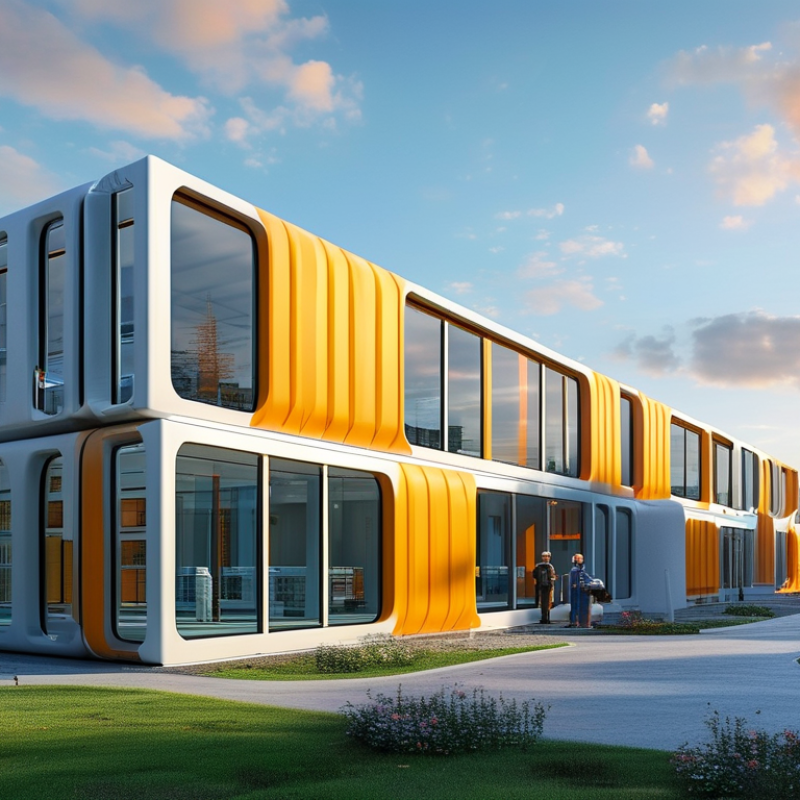
Overview of Modular Steel Buildings and Their Benefits
Modular steel buildings have gained popularity across various industries due to their numerous benefits. These structures offer quick assembly, cost-effectiveness, and flexibility in design. For instance, a report from the Modular Building Institute indicated that modular construction can reduce building time by up to 50%. This efficiency is crucial for industries needing swift deployment, such as healthcare and education.
In the construction sector, modular steel buildings provide high durability and low maintenance costs. The American Institute of Architects has noted that steel is one of the most recycled materials globally, appealing to environmentally conscious industries. Such construction is not only greener but also helps meet sustainability goals, a priority for many organizations today.
However, the reliance on modular steel buildings is not without challenges. Site preparation can be complex and may delay the overall project schedule. Moreover, the initial design must be precise, as modifications post-construction can be costly. Although these issues exist, the benefits often outweigh the drawbacks, making modular buildings a compelling choice for various sectors.
Key Industries Utilizing Modular Steel Structures
Modular steel structures have become essential in various industries worldwide. The construction sector tops the list, benefiting from quick assembly and durability. These buildings provide sturdy solutions on job sites, minimizing delays. They can adapt to different weather conditions, enhancing work efficiency.
Education is another key industry utilizing modular steel buildings. Schools and universities appreciate the rapid deployment of classrooms and labs. These solutions are ideal for expanding educational facilities quickly. They often prioritize sustainability and modern design.
Healthcare facilities also increasingly prefer modular steel. Hospitals and clinics need to expand swiftly to accommodate patient care. Modular buildings can be designed to meet specific medical requirements. These structures often undergo customization for emergency or specialized needs. The challenges of meeting regulations can be daunting, yet the benefits are clear.
Top 10 Industries Utilizing Modular Steel Buildings Globally
This chart illustrates the distribution of modular steel building usage across various key industries globally. The data reflects the growing trend of adopting modular steel solutions for enhanced efficiency and sustainability in construction.
Case Studies of Modular Steel Buildings in Specific Industries
Modular steel buildings have gained traction across various industries, transitioning from traditional construction methods to more innovative solutions. In the healthcare sector, these buildings have proven invaluable. A notable example is a temporary hospital set up in less than two weeks during a health crisis. Research indicates that modular construction can save up to 20% in project timelines, a critical factor during emergencies.
The educational sector also benefits significantly from modular steel structures. Schools can be built quickly to accommodate growing populations. Data from a recent report shows that modular classrooms can save 30% on construction costs compared to traditional classrooms. However, some challenges persist, such as ensuring these buildings meet local zoning laws and educational standards.
In the energy industry, modular steel buildings serve as operational hubs for remote sites. Their rapid deployment is essential for projects like wind farms. Yet, concerns regarding long-term durability and thermal efficiency need addressing. Stakeholders must continuously evaluate the performance of these modular units to ensure they align with operational objectives.
Top 10 Industries That Use Modular Steel Buildings Globally
| Industry |
Key Features |
Examples of Use |
Benefits |
| Healthcare |
Quick deployment, customizable spaces |
Modular clinics and hospitals |
Reduced construction time, flexibility |
| Education |
Adaptable classrooms, multi-functional |
Temporary school buildings |
Cost-effective, quick setup |
| Construction |
Storage and office spaces on-site |
Construction site offices |
Convenience, mobility |
| Retail |
Modular stores, pop-up shops |
Seasonal retail outlets |
Flexibility, reduced costs |
| Hospitality |
Portable accommodations |
Hotels and vacation rentals |
Quick deployment, affordability |
| Military |
Rapidly deployable structures |
Base camps and medical facilities |
Mobility, quick setup |
| Agriculture |
Storage for equipment and goods |
Barns and processing facilities |
Durability, cost savings |
| Energy |
Field offices, equipment shelters |
Oil, gas, and renewable energy sites |
Efficiency, remote usability |
| Transportation |
Stations, rest areas |
Bus stations and truck stops |
Speed of installation, functionality |
Global Trends in the Adoption of Modular Steel Solutions
The adoption of modular steel buildings is on the rise globally. Industries are recognizing their efficiency and sustainability. Modular solutions can be designed for various purposes, from temporary offices to permanent facilities. This flexibility meets the diverse needs of modern business environments.
Tips: Always assess the specific requirements of your project. Modular buildings offer rapid construction and lower costs, but site conditions ultimately dictate feasibility. Optimal planning can save time and resources.
The trend shows a growing preference for environmentally friendly options. These structures are often more energy-efficient compared to traditional buildings. However, some may overlook the need for long-term durability assessments. This oversight can lead to regrettable choices down the line.
Understanding local regulations is crucial. Each region has unique building codes that could impact modular solutions. Ensure compliance to avoid delays. Carefully navigating these regulations can make or break a project.
Future Prospects for Modular Steel Buildings in Various Sectors
Modular steel buildings are gaining traction across various sectors. These structures offer speed and flexibility in construction, which appeal to industries like healthcare, education, and commercial real estate. The healthcare sector is increasingly leveraging modular designs for clinics and hospital expansions. These buildings can be quickly deployed, aiding in urgent medical needs. Furthermore, educational institutions are investing in modular classrooms to accommodate growing student populations.
Looking ahead, the future prospects for modular steel buildings are optimistic. Industries are recognizing the sustainable benefits of using steel, which is often recyclable. This material withstands severe weather, making it invaluable in disaster-prone areas. However, concerns exist regarding the initial costs and permitting processes. These challenges may slow adoption rates in some regions.
Local governments play a crucial role. They must streamline regulations to support modular construction. As the demand for quick, reliable building solutions rises, modular steel buildings will likely gain a stronger foothold. Industries that prioritize adaptability will benefit significantly from this construction method.
Conclusion
Modular steel buildings have gained significant traction across various sectors due to their durability, quick construction time, and cost-effectiveness. This overview highlights what industries use modular steel buildings, including education, healthcare, residential, commercial, and industrial sectors. Each of these industries benefits uniquely from modular construction, ranging from the need for rapid deployment in emergency situations to the flexibility required in modern commercial spaces.
Case studies illustrate the successful application of modular steel solutions, showcasing the adaptability and efficiency of these structures in real-world scenarios. As global trends lean towards sustainable and efficient building practices, the future prospects for modular steel buildings are promising. Industries are increasingly adopting these solutions, signaling a shift in construction paradigms that favor innovation and practicality.

 Nova Build