Modular steel construction is transforming the building industry. A recent report by the Steel Construction Institute highlights that modular construction can reduce project timelines by up to 50%. As more companies look for efficient and effective building solutions, understanding what are the advantages of modular steel construction becomes essential.
Experts like Dr. Jennifer Collins, a leading architect, emphasize the potential of modular steel: “Innovative design and speed of assembly set modular steel apart.” This approach allows for off-site fabrication, minimizing waste and optimizing resources. With its strong sustainability credentials, modular construction enhances environmental impact.
Moreover, the benefits extend to cost savings. Studies show that modular construction can decrease labor costs by as much as 20%. The focus on efficiency creates a compelling case for this method. However, challenges remain, including regulatory hurdles. These factors demand careful consideration when evaluating the future of building practices.
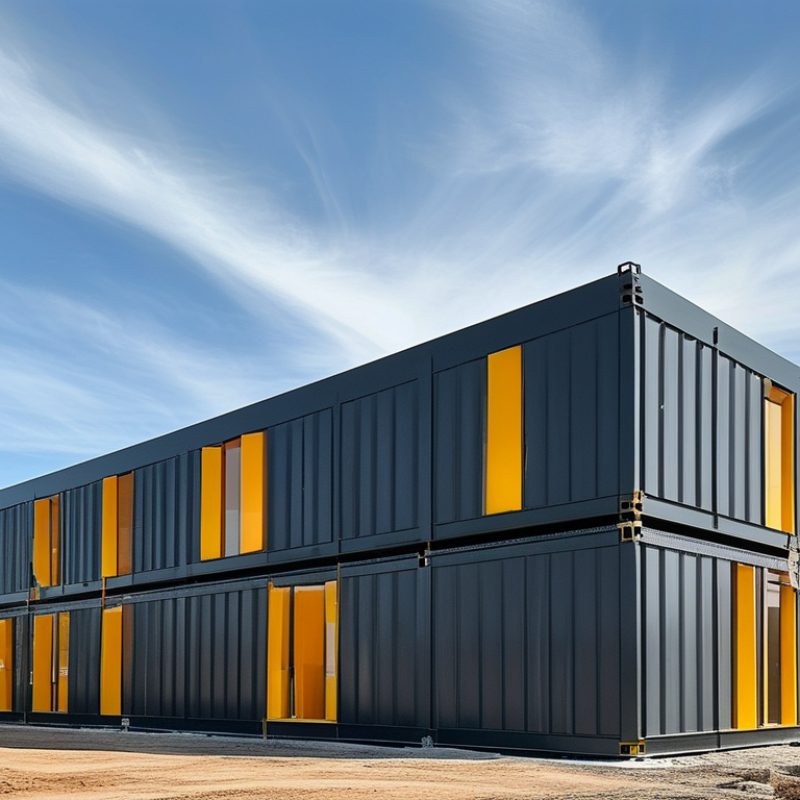
Modular steel construction is transforming the building industry. This method uses prefabricated steel components, allowing for quicker assembly on-site. It enhances efficiency and reduces labor costs significantly. Projects can often be completed in a fraction of the time compared to traditional construction.
One key benefit is the flexibility it offers. Modular units can be easily reconfigured or expanded without major disruptions. This adaptability caters to changing needs and evolving spaces, proving especially useful in sectors like healthcare and education.
Tips: When considering modular construction, assess your site thoroughly. Not all locations may be ideal for modular units. Maintain open communication with your construction team to ensure alignment throughout the project. Embracing this modern approach can save you time and resources, yet it’s essential to acknowledge that design limitations exist. Finding a balance between creativity and functionality is crucial.
Modular steel construction revolutionizes the building industry with its rapid deployment capabilities. These solutions allow for faster project completion, as components are prefabricated off-site. This process saves considerable time, reducing the overall construction period by weeks or even months.
Using modular steel also ensures precise manufacturing under controlled conditions. Each piece is made to exact specifications, minimizing errors. This consistency enhances quality while optimizing labor efficiency on-site. Teams can assemble structures quickly because they receive ready-to-fit sections. On-site activities lose their complexity, which can lead to potential delays.
While the acceleration of construction is a significant advantage, it does require careful planning and coordination. Scenarios may arise where logistics become tricky. Additionally, stakeholders must communicate effectively throughout the project. Misalignment in expectations can hinder progress. Overall, the blend of speed and quality in modular steel construction can lead to impressive outcomes when executed thoughtfully.
Modular steel construction is gaining traction for its cost-effectiveness. This method minimizes material wastage and reduces labor costs. Prefabricated components can be produced off-site. This saves time during on-site assembly, allowing projects to finish faster. The saved time translates directly into money saved.
When considering modular steel methods, always assess your budget. Start by calculating potential savings from reduced labor and sped-up timelines. Each project is unique. Be mindful of unexpected expenses. Quality control in prefabrication can still pose challenges, leading to surprises during installation.
Team collaboration is key. Engaging architects and engineers early helps identify cost-saving opportunities. Sharing insights can enhance efficiency. Remember, the goal is to maximize the benefits while minimizing the risks associated with modular construction. Be proactive in your planning.
Modular construction offers unique customization possibilities. One of the main advantages is design flexibility. Clients can adapt modular units to meet their specific needs. This allows for various configurations that traditional construction may not easily support. For example, businesses can modify layouts as their needs evolve. Partition walls can be moved or added without significant disruptions.
Customization goes beyond basic layouts. Aesthetic choices can also be tailored. Different materials, colors, and finishes can create a unique identity for any project. This means that each modular structure can reflect the vision of its owner. However, balancing individuality with practical constraints can be challenging. Finding the right design solutions requires careful planning.
Moreover, while modular construction offers great potential, it is not without its complexities. Navigating codes and approvals can slow down the process. Stakeholders might face difficulties achieving their desired designs within budget. This journey involves trade-offs. Ultimately, the process of customizing a modular structure presents both exciting opportunities and significant challenges.
This bar chart displays the top 5 advantages of modular steel construction, rated on a scale from 1 to 10. Design flexibility and sustainability receive the highest ratings, emphasizing the customization opportunities and eco-friendly aspects of modular structures.
Modular steel construction is increasingly recognized for its sustainability advantages. It minimizes waste by allowing precise prefabrication. Instead of traditional methods, components are crafted off-site. This process significantly reduces material waste. Less excess leads to fewer environmental impacts, making it a greener choice.
The modular approach also reduces energy consumption. Buildings can be assembled quickly, requiring less on-site energy usage. Faster construction means reduced machinery operation time, lowering carbon emissions. This efficiency results in a smaller environmental footprint. However, there are challenges. Not all designs translate well to modular forms, limiting creativity.
Moreover, steel is recyclable. Modular units can be reused in different projects, promoting a circular economy. This property highlights the long-term sustainability of modular steel. Yet, the initial production of steel has a significant environmental cost. It's essential to continually seek improvements in steel production methods to enhance sustainability.
: Modular steel construction enables faster project completion by using prefabricated components. It reduces overall construction time significantly.
Each piece is manufactured under controlled conditions. This ensures precision and minimizes errors in the construction process.
Careful planning and coordination are crucial. Poor logistics or misalignment of expectations can lead to delays.
Yes, it minimizes material waste and lowers labor costs. Faster timelines lead to direct savings in the overall budget.
Calculate potential savings early. Engage architects and engineers to identify cost-saving opportunities and ensure efficient planning.
Unexpected expenses can arise, especially related to quality control during prefabrication. Being proactive helps in managing these risks.
On-site assembly is simplified because teams receive ready-to-fit sections. This reduces complexity and speeds up the building process.
Yes, poor communication among stakeholders can hinder progress. Effective collaboration is crucial throughout the project.
Engaging all team members early boosts efficiency and helps in identifying potential cost-saving strategies for the project.
No, each project is unique. Always be aware of specific needs and potential challenges to avoid surprises during installation.
Modular steel construction is revolutionizing the building industry, offering numerous benefits for both builders and clients alike. One of the primary advantages is the enhanced speed of construction, as modular components are fabricated off-site and assembled quickly on location. This efficiency not only reduces project timelines but also minimizes disruption in surrounding areas.
Cost-effectiveness is another significant aspect, as the streamlined processes often lead to lower labor and material costs. Additionally, the design flexibility of modular steel structures allows for customization, accommodating a variety of architectural styles and functional requirements. Lastly, the sustainability of modular steel construction cannot be overlooked; it promotes the use of recycled materials and enhances energy efficiency. Overall, when considering what are the advantages of modular steel construction, the benefits of speed, cost savings, design versatility, and environmental responsibility stand out prominently.

Nova Build