In the rapidly evolving construction industry, the speed of building installation is crucial. "How fast can modular steel buildings be installed?" is a pressing question for developers globally. According to John Matthews, a leading expert in modular construction, "Efficiency and speed are the future of construction." This statement emphasizes the industry's shift towards quicker, more efficient methods.
Modular steel buildings offer significant advantages in installation time. They can be pre-fabricated in controlled environments, reducing delays due to weather and site conditions. Many projects report installation times as short as a few days, which is a stark contrast to traditional building methods. Despite these efficiencies, questions remain about the consistency of quality and durability.
Challenges exist in this fast-paced industry. Variations in local regulations and site conditions can impact installation speed. While technology enhances efficiency, unforeseen delays may arise. Experts stress the importance of planning and communication. Striking a balance between speed and quality is essential for success. Ultimately, understanding "how fast can modular steel buildings be installed" can lead to better decision-making in construction projects worldwide.
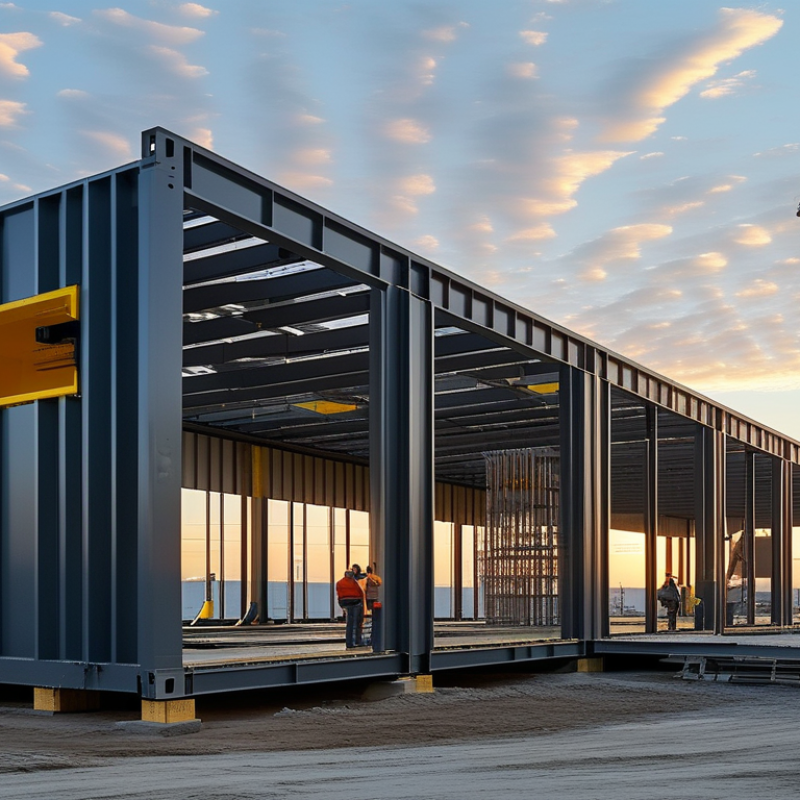
Overview of Modular Steel Building Installation Methods
Modular steel building installation has transformed the construction landscape. It allows for efficient setups across various environments. The installation methods can vary based on location and building requirements. Prefabricated steel components are produced in controlled factory settings. This ensures quality and reduces construction delays.
On-site installations often begin with a prepared foundation. Once the site is ready, cranes are used to lift modules into place. Skilled workers then connect utilities and finalize assembly details. This method minimizes construction waste and increases speed. However, weather conditions can impact timelines, causing delays for some projects.
Despite advantages, challenges exist in the modular building process. Not all sites are suitable for modular construction. Some regions face restrictions on building codes. Additionally, coordinating logistics can be complex. Understanding local regulations is crucial for success. Each project requires careful planning to navigate these hurdles effectively.
How Fast Can Modular Steel Buildings Be Installed Globally?
| Region |
Average Installation Time (Weeks) |
Typical Size (sq. ft.) |
Common Uses |
| North America |
6-12 |
1,000 - 10,000 |
Offices, Warehouses |
| Europe |
5-10 |
800 - 7,500 |
Retail, Residential |
| Asia |
4-9 |
1,500 - 15,000 |
Manufacturing, Storage |
| Australia |
5-8 |
1,200 - 9,000 |
Schools, Parks |
| Africa |
6-14 |
1,000 - 10,000 |
Healthcare, Community Centers |
Factors Influencing Installation Speed of Modular Steel Buildings
The speed of modular steel building installation is influenced by various factors. Site preparation plays a crucial role. When the land is ready, construction progresses more smoothly. Delays often occur when the site is not fully cleared or surveyed. Weather can also impact the timeline. Severe weather conditions can halt assembly, leading to increased costs and extended schedules.
Another critical element is the design complexity of the building. Simpler designs generally lead to quicker installations. Custom or intricate designs require more time for fabrication and assembly. Each modification adds layers of planning. Workforce skills significantly affect installation speed, as trained workers can work more efficiently. Investments in training can yield faster results.
Finally, logistical challenges cannot be overlooked. The transportation of modular components affects how quickly a project moves forward. Delays in shipping or unforeseen transportation issues can cause bottlenecks. It is important to have contingency plans. With careful management, a project can avoid some typical pitfalls, yet challenges will always remain.
Global Case Studies Demonstrating Installation Efficiency
Modular steel buildings have gained traction globally due to their efficiency in installation. According to a report by McKinsey, modular construction can reduce project timelines by up to 50%. This speed is notably evident in countries like the United Kingdom, where projects have been completed in mere weeks instead of months.
Numerous case studies support these claims. A recent project in Australia demonstrated the ability to install an entire modular structure in just 10 days. This was achieved through pre-fabricated components that required minimal on-site assembly. However, challenges remain. Workforce skills and sourcing quality materials can impact installation efficacy.
In the U.S., a report from the National Institute of Building Sciences highlighted that modular construction reduces waste by 60%. Yet, some experts argue that not all regions have embraced the modular approach. Regulatory hurdles and zoning laws may slow down adoption in certain areas. While efficiency is a strong selling point, the industry must address these inconsistencies to truly capitalize on modular construction’s potential.
Comparative Analysis: Modular Steel vs. Traditional Construction
Modular steel construction is gaining popularity due to its unique advantages over traditional building methods. Studies show that modular construction can reduce building time by 30% to 50%. This is largely due to off-site manufacturing, where components are fabricated in controlled environments. In contrast, traditional methods rely heavily on on-site labor, which can delay projects due to weather or logistics.
However, the speed of installation is just one aspect. Modular buildings sometimes face challenges with local regulations. Some regions have strict codes that can slow down the approval process. It is crucial to consider these factors before choosing the construction method.
Tip: Always check local codes early in the planning phase. Engaging with authorities ahead can save time later.
Additional insights reveal that modular buildings can be less expensive in the long run. The National Institute of Standards and Technology indicates that modular projects typically experience fewer unexpected costs. However, quality control remains a challenge. Ensuring high standards in materials and assembly is essential but can vary between manufacturers.
Tip: Choose manufacturers with a proven track record. Investigate their past projects to assess quality and reliability.
Future Trends in Modular Building Technologies and Global Impact
The future of modular building technologies is promising. Increasing urbanization drives the need for efficient construction methods.
Modular steel buildings can be assembled quickly. This speed can alleviate housing shortages in growing cities. This trend reflects a shift towards sustainable practices. Reducing waste during manufacturing is crucial.
Innovations in design and production are emerging. Prefabrication ensures precision in components. Advanced technologies enable better customization. Yet, challenges remain, such as regulatory hurdles.
Different countries have varying building codes. This inconsistency can slow progress. Adapting to local standards requires collaboration among stakeholders. The future of modular buildings may rely on flexible solutions that respect these regulations.
Integration of smart technologies is another focus. These features enhance energy efficiency and connectivity. However, further research is needed to optimize these systems. There is a learning curve in aligning traditional practices with modern methods.
As the industry evolves, ongoing education will be vital. Experimentation and feedback will help refine processes. The global impact of modular buildings could be significant, but it needs careful navigation.
FAQS
: Modular steel buildings allow for efficient setups, reduce construction delays, and minimize waste.
It starts with preparing a foundation for the modular components.
Cranes are commonly used to lift modules into place.
Weather conditions can cause delays in the project timeline.
Yes, not all sites permit modular buildings due to local regulations and building codes.
It can reduce timelines by up to 50%, allowing for faster completion.
A project in Australia installed an entire structure in just 10 days.
Careful planning and understanding local regulations are essential for overcoming challenges.
Regulatory hurdles and workforce skills can limit acceptance in some areas.
No, efficiency varies due to regional regulations and material sourcing challenges.
Conclusion
The article titled "How Fast Can Modular Steel Buildings Be Installed Globally?" explores various aspects of modular steel building installation, emphasizing its efficiency and speed compared to traditional construction methods. It outlines different installation methods that contribute to rapid deployment and examines key factors such as technology, workforce skill level, and logistics that influence installation speed.
Through global case studies, the article highlights successful examples of quick installations, showcasing the advantages of modular steel structures in meeting urgent construction demands. A comparative analysis further illustrates the benefits of modular steel over conventional methods, while future trends suggest advancements in technology that will likely enhance installation efficiency. Overall, the article effectively addresses the question of how fast can modular steel buildings be installed, revealing their potential impact on the construction industry worldwide.

 Nova Build