In recent years, modular steel buildings have gained popularity due to their versatility and efficiency. A common question arises: can modular steel buildings be expanded later? This inquiry is crucial for businesses and individuals considering long-term space needs. Modular buildings offer flexibility in design and construction, making future expansions more attainable.
However, not all modular buildings are created equal. Factors such as the original design, materials used, and foundation can impact the ease of expansion. Knowing these details is essential for informed decisions. The ability to adapt structures to growing demands presents both opportunities and challenges.
While modular steel buildings can often be expanded later, it’s vital to plan these expansions carefully. Consulting with experienced professionals can help navigate potential pitfalls. Building design should accommodate future changes without sacrificing structural integrity. Thus, careful planning and expert guidance are necessary for successful expansions.
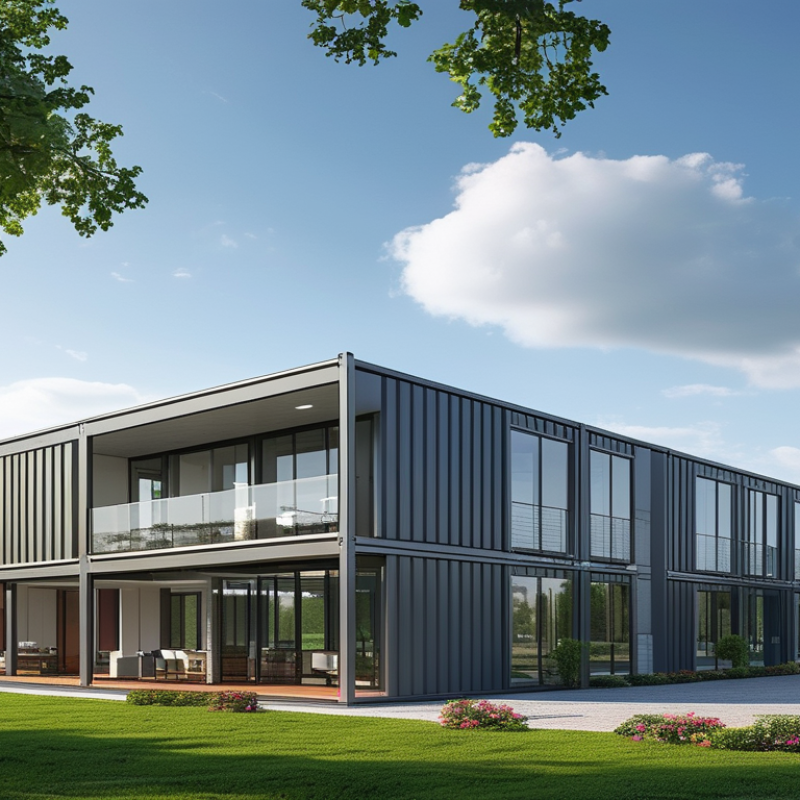
Understanding Modular Steel Buildings and Their Design Flexibility
Modular steel buildings are recognized for their unique design flexibility. These structures allow for easy expansion and modification. When planning, designers consider future growth. They incorporate features that support additional modules seamlessly. This foresight allows owners to adapt their space as needs change.
The connection points in modular designs play a crucial role. They are engineered to facilitate expansion without major structural disruptions. This adaptability appeals to businesses aiming for growth. However, flexibility in design also requires careful planning upfront. A miscalculation can hinder future expansions. Thoughtful design is key to avoiding potential pitfalls.
Moreover, the construction process can be less predictable than anticipated. Site conditions and local regulations can affect expansion plans. Understanding these variables beforehand can improve reliability. Business owners must assess their long-term goals to maximize their investment in modular steel buildings. Flexibility is valuable, but meticulous attention to detail ensures success.
Modular Steel Buildings Expansion Flexibility
Key Features of Modular Steel Buildings That Facilitate Expansion
Modular steel buildings are designed with flexibility in mind. Their unique features make expansion a manageable process. One key aspect is their modular design, which allows for easy addition of new sections. This design means that existing parts can seamlessly integrate with new structures.
To maximize this advantage, consider the initial layout. Plan for future growth. This helps in managing space effectively. It can save time and costs in the expansion phase. Additionally, ensure that necessary utilities are accessible for future modules.
Keep in mind the structural integrity. Even though modular buildings are easier to expand, adding new sections requires careful planning. Work with experienced professionals to assess site conditions. This will help avoid potential issues during expansion. Modular designs may not suit every environment, so evaluate site-specific factors thoroughly. Expand your vision, but ensure it aligns with practical logistics.
Factors Influencing the Ease of Expanding Modular Steel Structures
When considering modular steel buildings, several factors influence their expansion capabilities. One key element is the original design. Projects designed with future growth in mind allow for easier modifications. Systems engineered with modularity ensure that adding new sections is straightforward. Building reports indicate that approximately 78% of modular construction projects maintain flexibility in their designs.
Site conditions also play a critical role. If a location has ample space, it simplifies expansion projects. However, uneven ground or proximity to other structures can complicate adjustments. Another factor is regional regulations. Zoning laws may impose limits on building extensions. Adapting to these requirements can add time and complexity to expansion efforts. Research by the Modular Building Institute shows that awareness of these conditions can reduce unexpected challenges by up to 40%.
Additionally, connection systems affect later expansions. Well-designed connections facilitate modifications without requiring extensive rework. Inefficient connections can lead to increased labor costs and delays. Some reports underline that a third of construction projects face significant difficulties during expansion phases due to underestimating design choices. As the industry continues evolving, understanding these influencing factors is essential for successful modular building projects.
Planning and Considerations for Future Expansion of Steel Buildings
When considering the future expansion of modular steel buildings, careful planning is essential. A well-thought-out foundation is critical. It can support additional weight when you expand. Make sure to consider the layout and spacing for future construction. Adequate space allows for easier integration later. Having a flexible design helps accommodate changes.
Tips for planning include consulting with professionals. Architects and engineers can provide valuable insights. They can help in predicting load capacities and potential changes. Building codes must be understood early on. Different regions may have specific requirements. This knowledge will save time and prevent costly modifications.
Remember, expansion often requires permits. Building departments may have regulations that complicate the process. Delays can occur if paperwork is not in order. Engage with local officials to understand the requirements. It's also essential to evaluate the current structure regularly. Maintenance can reveal insights for future adjustments.
Comparing Expansion Options: Modular Steel vs. Traditional Construction
When considering expansion options, modular steel buildings present unique advantages over traditional construction methods. A study by the Modular Building Institute reveals that modular buildings can be expanded in just a few weeks, unlike conventional structures that often require several months. This speed of construction can be crucial for businesses needing quick adaptations to their space.
Modular steel buildings are designed with expansion in mind. Their framework allows for easy addition of new sections without disrupting the existing structure. In contrast, traditional buildings may require extensive renovations, which can be costly and time-consuming. A report from the American Institute of Architects highlights that modifications can inflate project budgets by up to 20% in traditional setups.
Tip: Always consider future growth during the design phase. Planning modular expansions can save costs later.
While modular options are flexible, they are not without challenges. Site-specific constraints can limit expansion possibilities. It's essential to evaluate local zoning laws and site conditions before making plans. This reflects the importance of thorough site analysis in modular construction.
Tip: Conduct a comprehensive feasibility study to gauge the potential for expansion. Awareness of site limitations is key.
Overall, modular steel buildings offer a strategic advantage when planning for future growth, despite some obstacles in site adaptation. Understanding these dynamics is critical for making informed decisions in construction.
Conclusion
Modular steel buildings offer significant design flexibility, enabling them to adapt to changing needs over time. The key features that facilitate expansion include their prefabricated nature, structural integrity, and modular components, which allow for seamless integration of additional units. When considering if "can modular steel buildings be expanded later," several factors must be taken into account, such as initial design choices, local regulations, and site conditions, all of which can influence the ease of future expansion.
Planning for future growth is crucial for maximizing the benefits of modular steel structures. Proper considerations during the initial building phase can streamline the process of adding space later on. In comparing expansion options, modular steel constructions generally provide a more efficient and cost-effective solution than traditional building methods, allowing for quicker alterations and less disruption to existing operations. Overall, modular steel buildings are well-suited for businesses anticipating future expansion.

 Nova Build