As weather patterns become increasingly erratic, the need for resilient structures rises. This raises an important question: are modular steel buildings suitable for extreme weather? These buildings have gained popularity for their speed and cost-effectiveness. However, their performance in severe conditions demands scrutiny.
Modular steel buildings are designed for durability. They can withstand high winds, heavy snowfall, and seismic activity. Yet, their benefits are not uniform. Construction quality varies among manufacturers. Not all modular steel buildings meet stringent safety standards. This inconsistency can affect resilience in extreme situations.
Analyzing the material properties is crucial. Steel is inherently robust, yet the specifics of each design matter. A well-engineered modular structure can resist natural forces effectively. Conversely, poor design choices may lead to vulnerabilities. A careful evaluation of these buildings is necessary to answer the key question: are modular steel buildings suitable for extreme weather? The answer lies in understanding their strengths and weaknesses.
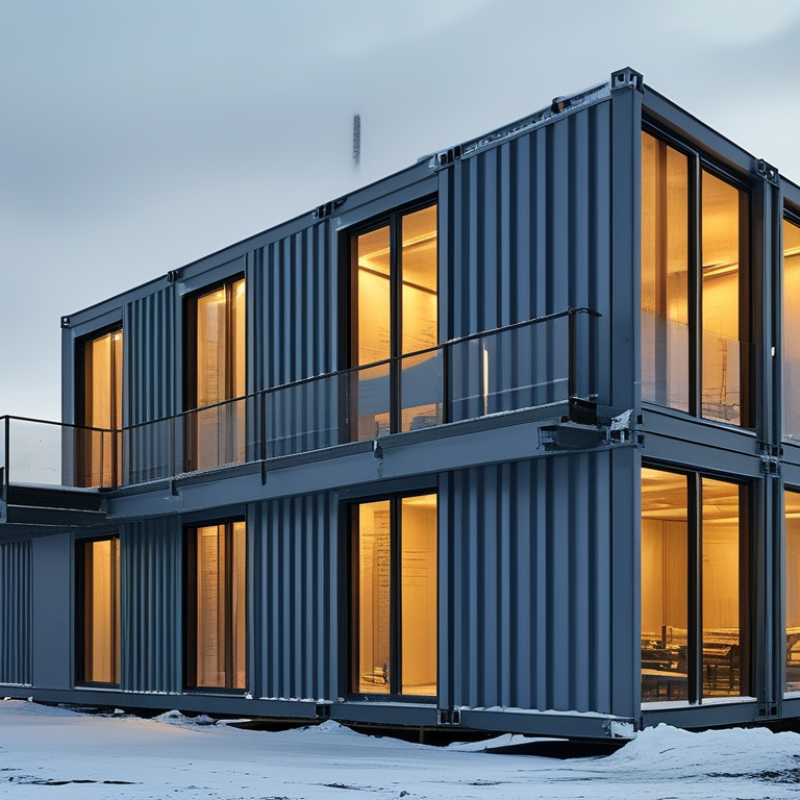
Types of Extreme Weather Conditions Impacting Buildings
Extreme weather conditions can challenge the integrity of buildings. High winds, heavy snowfall, extreme heat, and intense rain can all create stress on structures. Modular steel buildings offer a robust solution, but the effectiveness depends on how they are designed to withstand these challenges.
High winds, for instance, can cause structural damage if buildings are not anchored properly. Engineers must consider wind load calculations during the design phase. Heavy snowfall necessitates roofs that can bear significant weight. Some modular designs simply aren't equipped for excessive snow accumulation.
Even in hot climates, the materials must be chosen wisely. Steel can absorb heat, increasing energy costs. Insulation plays a critical role, as inadequate cooling can lead to uncomfortable living spaces. Rain can lead to water damage if flashing and drainage systems aren't well planned. These factors should be part of the discussion when assessing modular steel for extreme scenarios.
Are Modular Steel Buildings Suitable for Extreme Weather Conditions?
This chart illustrates the impact levels of various extreme weather conditions on modular steel buildings. As seen, hurricanes pose the most significant threat, followed by heavy snowfall and strong winds, highlighting the need for robust design considerations in extreme environments.
Key Features of Modular Steel Buildings for Weather Resilience
Modular steel buildings offer impressive resilience against extreme weather conditions. Their structural integrity stems from high-quality materials, which provide durability during harsh storms and intense heat. Steel is non-combustible, reducing fire risks, and resisting potential damage from heavy winds and heavy snowfall.
Proper insulation is critical for temperature regulation. Builders often use advanced insulating materials to maintain comfortable indoor climates. Waterproofing measures are essential too; they prevent leaks and damage from heavy rain. Modular design also allows for quicker construction times, which can be vital when addressing urgent weather-related needs.
When considering a modular steel building, think about location. An area prone to hurricanes may require specific structural reinforcements. Adjusting designs may enhance performance against expected weather patterns. Regular maintenance is also necessary. Inspect for rust or wear after significant weather events to ensure longevity. Durable buildings need attention to stay in excellent condition; regular assessments can prolong their lifespan.
Analyzing Structural Strength of Modular Steel Designs
The structural strength of modular steel buildings is paramount when considering their performance in extreme weather. Reports indicate that these structures can withstand significant forces. For example, a study from the National Institute of Standards and Technology noted that steel can handle wind loads up to 150 mph, depending on design.
Modular buildings often incorporate advanced engineering techniques. This includes using welded connections and reinforced framing. Such features enhance their stability during severe storms or earthquakes. However, not all designs meet these rigorous standards. Some modular units may skimp on materials to reduce costs. This can lead to vulnerabilities in extreme conditions.
Additionally, thermal performance is critical. Steel conducts heat efficiently, which can lead to increased energy costs if not properly insulated. A review by the American Institute of Steel Construction found that insulation must be a priority for energy efficiency. Without adequate insulation, even a sturdy structure can face challenges. It is essential to balance cost with the need for resilient design in extreme weather zones.
Are Modular Steel Buildings Suitable for Extreme Weather Conditions? - Analyzing Structural Strength of Modular Steel Designs
| Weather Condition |
Modular Steel Strength Rating |
Typical Design Features |
Max Windspeed Resistance (mph) |
Snow Load Capacity (psf) |
Fire Resistance Rating (minutes) |
| Hurricane |
Category 5 |
Reinforced Junctions, Impact-resistant Glass |
180 |
20 |
60 |
| Tornado |
EF5 |
Strong Steel Frames, Secure Anchoring |
250 |
10 |
90 |
| Blizzard |
High Load |
Sloped Roof Design, Heavy-duty Insulation |
50 |
40 |
30 |
| Earthquake |
Seismic Zone 4 |
Base Isolators, Cross-bracing |
N/A |
N/A |
60 |
| Flood |
Water Resistant |
Elevated Foundations, Waterproof materials |
N/A |
N/A |
30 |
Insulation and Energy Efficiency in Extreme Weather Scenarios
Extreme weather conditions pose significant challenges for any building structure. Modular steel buildings are designed to withstand these challenges. Proper insulation plays a critical role in ensuring energy efficiency during extreme temperatures, whether it's the blistering heat of summer or the biting cold of winter. Insulation materials help maintain a stable indoor climate, reducing the need for excessive heating or cooling. This efficiency not only saves energy but also minimizes utility costs.
Choosing the right insulation is essential. For cold climates, consider using spray foam insulation or rigid foam boards. They provide high R-values, which measure thermal resistance. In hot climates, reflective insulation can reduce heat absorption, keeping interiors cooler. Combining these insulation methods can enhance overall performance. Always consult with experts familiar with local weather patterns to select the best solution.
It's also worth noting that while modular steel buildings are durable, they can be vulnerable to moisture if not properly sealed. Assessing drainage systems and adding weather-resistant barriers can help protect the structure. Staying informed about local environmental conditions ensures your building adapts well. Regular inspections of the insulation and exterior elements can prevent long-term damage and maintain energy efficiency.
Real-World Examples of Modular Steel Buildings in Harsh Climates
Modular steel buildings are increasingly being used in harsh climates, demonstrating their resilience against extreme weather. A report from the Modular Building Institute highlights that these structures can withstand high winds and heavy snow loads more effectively than traditional buildings. For example, a modular steel structure built in Alaska was engineered to handle gusts over 120 mph and heavy snowfall. This capability is essential for areas frequently impacted by severe snowstorms.
In addition to wind and snow, some modular buildings are designed to endure scorching heat and heavy rainfall. A case study in Florida showcased a modular facility that weathered a Category 4 hurricane, withstanding winds and flooding. Notably, modular constructions often incorporate insulated panels and durable coatings, which enhance their thermal performance. This means they can maintain internal comfort even under extreme temperature fluctuations.
However, challenges remain. While modular buildings are strong, their connections and joints require thorough examination to prevent weaknesses. Adaptation to local building codes and climate conditions is also essential. The modular construction industry continues to evolve, focusing on innovative designs that enhance performance in diverse environments.
FAQS
: High winds, heavy snowfall, extreme heat, and intense rain can all stress structures.
Improperly anchored buildings may sustain damage during high winds. Wind load calculations are vital during design.
Roofs must support heavy snowfall. Some modular designs might fail under excessive snow accumulation.
Proper insulation helps maintain a stable indoor climate in extreme temperatures, reducing heating or cooling needs.
Yes, steel can absorb heat, which may increase energy costs in hot climates.
Moisture can lead to damage if structures aren't properly sealed and drainage systems are inadequate.
Spray foam or rigid foam boards, which offer high thermal resistance, are ideal for cold climates.
Reflective insulation can reduce heat absorption and keep interiors cooler in hot climates.
Regular inspections and assessments of insulation, drainage systems, and weather-resistant barriers are crucial.
No, not all designs meet the necessary standards; some may compromise material quality for cost savings.
Conclusion
The article titled "Are Modular Steel Buildings Suitable for Extreme Weather Conditions?" explores the resilience of modular steel buildings in the face of various extreme weather scenarios. It delves into the different types of severe weather that can impact building integrity, such as hurricanes, snowstorms, and wildfires. Key features that enhance the weather resilience of modular steel designs are highlighted, including their structural strength and the materials used.
Furthermore, the article examines insulation and energy efficiency aspects, crucial for maintaining comfort in harsh climates. Real-world examples illustrate how modular steel buildings have successfully withstood extreme conditions, reinforcing the assertion that modular steel buildings are indeed suitable for extreme weather. This comprehensive analysis supports the conclusion that these constructions offer a reliable solution for enduring difficult environmental challenges.

 Nova Build