China Top 10 Modular Steel Buildings How Long Do They Last?

Time:2026-11-20 Author:Henry
0%

China’s modular steel building sector includes compact site offices, worker housing, classrooms, and larger commercial spaces. Buyers comparing the country’s leading suppliers often focus on price, delivery speed, and customization. Yet one question deserves equal attention: how long do modular steel buildings last? There is no dependable single number. Service life depends on steel quality, protective coatings, design, installation, local weather, and routine maintenance.

A building exposed to coastal salt air faces different demands from one in a dry inland region. Roof drainage, sealed joints, clean welds, and promptly repaired scratches can all affect long-term performance. Small details matter. This guide examines ten notable modular steel building options in China and explains what to check before treating any lifespan estimate as a promise. It considers structural design, corrosion protection, component quality, and after-sales support, while recognizing that published claims may not describe real-world conditions. A supplier’s warranty can offer useful context, but it is not the same as a guaranteed service life. Readers should compare specifications and ask how maintenance needs change with climate and use. Rankings can simplify a crowded market, but they cannot replace project-specific evaluation. Some details may remain uncertain until a building has operated for years. That is worth acknowledging.
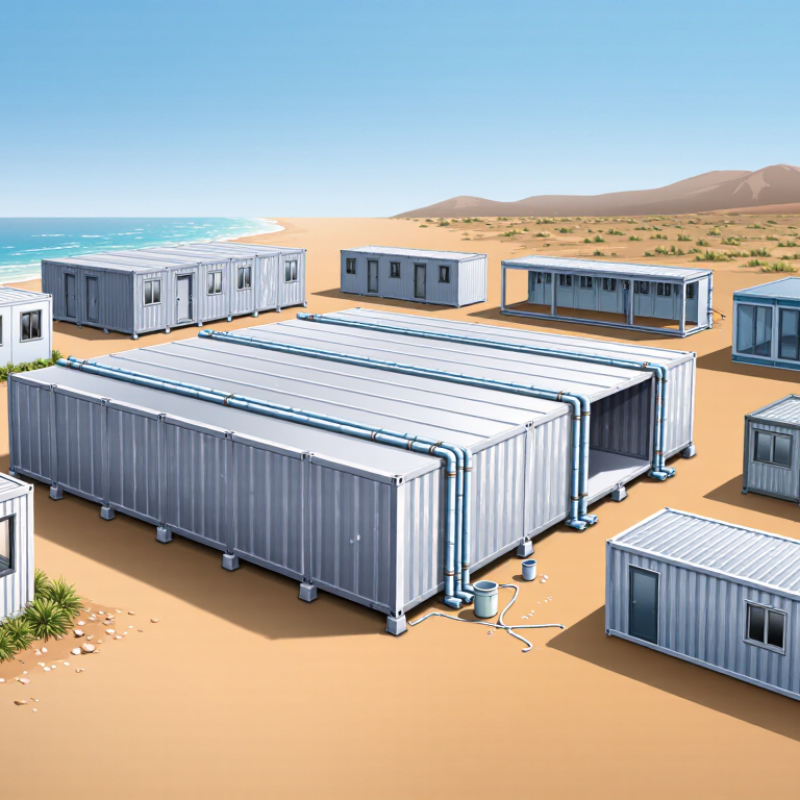
China Top 10 Modular Steel Buildings How Long Do They Last?

How China’s Top 10 Modular Steel Building Types Are Classified

China’s ten common modular steel building types are best classified by their intended use and internal layout, not by appearance alone. The group includes site offices, worker accommodation, classrooms, clinics, dormitories, hotels, apartment units, warehouses, retail spaces, and emergency shelters. Each type uses a steel frame, but floor loading, insulation, fire protection, and services differ.

The categories can overlap. A site office may include sleeping rooms, while a warehouse may contain a small office module. Classification becomes clearer when buyers check occupancy, span, storey count, and whether units must be moved often. A classroom needs quiet interiors and safe circulation; a clinic needs cleanable surfaces and reliable plumbing. These practical details shape the specification more than the label does.

Service life varies with steel coating, drainage, installation quality, and maintenance. A well-protected frame may serve for decades, but no fixed lifespan fits every project. Inspect joints, roof edges, and areas where water can collect. Details matter. In my view, lifespan claims are less useful without maintenance records and local exposure conditions. A coastal site, for example, needs closer attention to corrosion than a dry inland location.

Design-Life Benchmarks: GB 50068 Specifies 5, 25, 50, and 100 Years

A modular steel building does not have one fixed service life. GB 50068-2018 sets structural design-life benchmarks of 5 years for temporary structures, 25 for replaceable components, 50 for ordinary buildings, and 100 for important buildings. These figures describe intended design working life, not a warranty or automatic demolition date. That distinction matters.

For many modular buildings, 50 years is a useful starting point, but the project’s classification should be confirmed by its designer. Exposure can change maintenance needs sharply. ISO 9223:2012 gives first-year carbon-steel corrosion rates of over 25–50 micrometres for C3 environments, compared with over 80–200 micrometres for C5 environments. These are corrosivity categories, not predictions of when a frame will fail. Coastal salt, moisture trapped at module joints, damaged coatings, and neglected roof seals can all shorten component life. Inspection and recoating plans matter. A 100-year target needs durable detailing, replaceable connections, and documented maintenance—not simply heavier steel. One practical weakness is easy to overlook: transport scratches can expose steel before occupancy. The honest answer is conditional.

China’s Modular Steel Buildings: How Long Do They Last?

GB 50068 design working-life benchmarks (years)

These benchmarks describe intended design working life for different structural categories; they are not a guaranteed service life. Actual durability depends on design, materials, exposure, construction quality, inspection, and maintenance.

Steel Corrosion Protection: ISO 12944 Coating Durability Classes

For modular steel buildings, coating choice can influence maintenance needs, but it does not set a guaranteed building lifespan. ISO 12944 groups protective coating durability as Low, Medium, High, and Very High. These describe the expected time until major maintenance, not the time until the coating fails completely. The ranges are up to 7 years, 7–15 years, 15–25 years, and over 25 years. Exposure matters. A building beside a saltwater coast faces a harsher environment than one inland, so its corrosivity category and coating system need careful assessment.

Details matter just as much as the stated class. Water trapped around a bolt, a scratched panel edge, or a poorly coated weld can become an early corrosion point. Surface preparation, coating thickness, application conditions, and inspection records all affect performance. ISO 12944 helps guide specification, but it cannot replace site-specific engineering. Nor is a Very High durability class a maintenance-free promise. Small repairs matter. I would review exposed joints and cut edges during routine inspections, especially after installation damage or severe weather. Even a sound specification can miss a detail. That is worth checking.

How Climate, Connections, and Maintenance Affect Service Life

A modular steel building’s service life is not set by its factory date. Climate can change the equation quickly. In coastal China, salt carried by damp air may attack exposed steel, especially around cut edges and fasteners. In humid southern regions, condensation can collect beneath roof panels when ventilation is poor. Dry inland sites face a different problem: dust and strong sun can wear coatings and seals. Small details matter.

Connections deserve close attention. Bolts, welds, and module joints transfer loads between sections, so movement, water entry, or corrosion at these points can create trouble. During installation, check that connections match the approved drawings and that protective coatings are repaired after drilling or cutting. This is easy to overlook. A clean exterior does not prove every joint is sound.

Maintenance should follow the actual site conditions, not just a generic calendar. Inspect roof edges, wall joints, drainage paths, and base connections after storms and at regular intervals. Look for rust stains, loose fasteners, cracked sealant, or water marks inside the building. Record repairs and use compatible coating systems. The honest complication: inspections cannot prevent every hidden defect, and repair quality varies. Still, catching a small leak before it reaches insulation or a connection can make a meaningful difference to long-term performance.

China Top 10 Modular Steel Buildings: How Long Do They Last? — How Climate, Connections, and Maintenance Affect Service Life
Modular Building Type Typical Structural Service-Life Range* Climate Exposure Connection Details to Check Maintenance Priorities Main Factors That Can Shorten Service Life
Worker accommodation and dormitories 30–50 years Humid regions can accelerate corrosion; coastal sites have additional salt exposure. Inspect bolted module joints, column splices, and connections around stairs and corridors. Check coatings and sealants; keep drainage clear; repair leaks and damaged finishes promptly. Persistent plumbing leaks, poor ventilation, unprotected steel edges, or loose connections.
Site offices and temporary project buildings 20–40 years, depending on relocation and reuse Repeated outdoor exposure and transport can affect coatings and alignment. Check lifting points, transport restraints, base connections, and joints after each relocation. Touch up coating damage; verify anchorage and squareness after installation; inspect roof and wall seals. Frequent moves, rough handling, repeated assembly, or use beyond the original design conditions.
Modular classrooms and education buildings 30–50 years Rain, humidity, snow, and temperature swings can affect roofs, cladding, and exposed connections. Inspect inter-module ties, floor connections, and bracing around openings. Maintain roof drainage, exterior sealants, protective coatings, and ventilation systems. Water ingress, deferred roof repairs, or alterations that remove or weaken bracing.
Healthcare clinics and medical units 30–50 years High indoor humidity and frequent cleaning may expose concealed steel to moisture or chemicals. Review module-to-module joints and connections supporting heavy equipment or service runs. Control condensation; inspect concealed areas during renovations; promptly repair leaks and coating damage. Uncontrolled moisture, chemical exposure beyond material specifications, or unreviewed equipment loads.
Modular hotels and short-stay accommodation 40–60 years Coastal humidity and wind-driven rain can increase corrosion and water-entry risks. Check stacked-module connections, transfer structures, and balcony or canopy attachments. Inspect façades, balconies, roof edges, fire-protection systems, and wet-area seals on a regular schedule. Water penetration, neglected fire-protection coatings, or modifications to load-bearing elements.
Retail units and modular commercial buildings 30–50 years Solar heat, heavy rain, and urban pollutants can affect coatings and roof systems. Check connections around wide shopfront openings, signage, and added canopies. Maintain roof drainage and perimeter seals; inspect steel exposed by fit-out changes. Oversized openings, added signage loads, or poorly detailed penetrations through the envelope.
Modular warehouses and light industrial buildings 40–60 years Industrial moisture, dust, and corrosive process atmospheres may require enhanced protection. Inspect portal-frame joints, bracing, base plates, and connections for cranes or suspended services. Remove deposits, repair coatings, keep gutters clear, and check for impact damage and loose bolts. Uncontrolled corrosive exposure, vehicle impacts, overloading, or inadequate coating maintenance.
Modular residential buildings 40–60 years Service life varies with local humidity, rainfall, freeze-thaw exposure, and distance from the coast. Check inter-module ties, floor-to-wall joints, and connections around balconies and stair cores. Maintain the roof and façade; repair plumbing leaks; keep ventilation and drainage functioning. Chronic leaks, condensation, poorly sealed joints, or unapproved structural alterations.
Modular utility and equipment enclosures 25–50 years Coastal salt, condensation, and heat from equipment can create severe local exposure. Inspect frame joints, equipment supports, access-panel edges, and anchorage to the foundation. Manage condensation and ventilation; clean deposits; renew coatings and seals as specified. Continuous condensation, corrosive process environments, or vibration and loads beyond design assumptions.
Modular public-service and emergency buildings 30–50 years Exposure can range from sheltered urban sites to severe wind, rain, or snow conditions. Check foundation anchorage, inter-module ties, bracing, and connections after extreme weather events. Follow documented inspection intervals; repair envelope damage; verify anchors and corrosion protection. Extreme events beyond the design basis, poor drainage, missed inspections, or delayed repairs.

How to read these estimates: The ranges are indicative planning ranges for structural frames, not guarantees or fixed replacement dates. Actual service life depends on the project design, steel grade, corrosion-protection system, fabrication quality, foundation and connection details, local exposure, building use, and maintenance. Cladding, roofing, sealants, and building services may need repair or replacement well before the primary frame. Use the project specifications, applicable Chinese codes, and inspections by qualified professionals for project-specific decisions.

Expected Lifespans of Modular Homes, Offices, Camps, and Industrial Buildings

Expected Lifespans of Modular Homes, Offices, Camps, and Industrial Buildings

A modular building’s service life depends more on its structure, connections, and upkeep than on factory construction alone. For ordinary buildings, Eurocode EN 1990 uses a 50-year design working life as a reference—not a guarantee of actual lifespan. Well-maintained modular homes and offices can be planned for roughly 40–60 years or longer. Industrial buildings may also reach this range, though chemical exposure, heavy vibration, and roof loads can shorten it. Worker camps designed for frequent relocation often have shorter service lives, commonly around 10–25 years. These are practical planning estimates, not universal industry guarantees.

Moisture is a quiet threat. Water trapped around base plates, roof joints, or cut edges can start corrosion before damage is obvious. ISO 12944 classifies protective-coating durability from low (2–5 years) to very high (over 25 years) before first major maintenance; this is a maintenance-planning measure, not the building’s lifespan. ISO 15686-1 also stresses service-life planning across a building’s components. A strong frame cannot compensate for neglected seals or poor drainage.

Tips: Inspect roof seams, fasteners, and drainage channels every year. Recoat exposed steel when the coating system requires it, and record repairs. Check connections after transport or relocation. Small leaks matter. For a realistic estimate, review the project’s design life, site conditions, coating specification, and maintenance schedule together.

FAQS

How are modular steel buildings classified?

They are grouped by use and layout, not appearance alone. Common types include offices, worker housing, classrooms, clinics, dormitories, hotels, apartments, warehouses, retail spaces, and emergency shelters.

Can one building fit more than one category?

Yes. A site office might include sleeping rooms, and a warehouse may contain a small office module. The label alone can be misleading.

What details help identify the right building type?

Check occupancy, span, storey count, floor loading, and relocation needs. Classrooms need quiet interiors and safe circulation. Clinics need cleanable surfaces and dependable plumbing.

How long can a modular steel building last?

Homes, offices, and industrial buildings may be planned for roughly 40–60 years or longer with suitable upkeep. Relocatable worker camps may last around 10–25 years. These are estimates, not promises.

Which site conditions can shorten service life?

Coastal salt can attack exposed steel and fasteners. Humid air may cause condensation beneath roof panels. Inland dust and strong sun can wear coatings and seals.

Which parts need close inspection?

Check roof edges, module joints, bolts, welds, drainage paths, and base connections. Look for rust stains, loose fasteners, cracked sealant, or indoor water marks. Details matter.

How often should maintenance take place?

Inspect regularly and after storms, with extra attention to local climate. Record repairs and use compatible coatings. A generic calendar may miss site-specific problems.

Does a clean exterior prove the structure is sound?

No. Hidden corrosion or a poor connection may not show on the surface. I would not rely on appearance alone; inspection records also have limits.

Conclusion

China’s top modular steel buildings can be grouped by their use and structure, including modular homes, offices, worker camps, and industrial facilities. Their design-life benchmarks vary with the intended building category: GB 50068 specifies reference periods of 5, 25, 50, and 100 years. These figures are design benchmarks, not guarantees of how long a building will remain in service. To understand how long do modular steel buildings last, it is also important to consider steel corrosion protection. ISO 12944 coating durability classes help describe expected coating performance in different environments, but they do not directly determine a building’s total lifespan.

Actual service life depends on climate, exposure to moisture or pollutants, the quality of connections and construction, and ongoing inspection and maintenance. A well-protected modular home or office may serve for decades, while temporary camps can have shorter intended service lives. Industrial buildings may also last for decades when designed for their operating conditions and maintained regularly. Suitable coatings, prompt repairs, and routine checks can help extend the useful life of every type.

Henry

Henry

Henry is a dedicated marketing professional with a profound expertise in the company's offerings. With years of experience in the industry, he possesses an impressive understanding of the market dynamics and consumer behaviors that drive success. Henry is committed to sharing his insights through......